
Choosing the Best UVA and UVB Sunscreen for Optimal Skin Protection

At Smart Skin Dermatology here in Lehi, Utah, we understand how important it is to protect your skin from the sun’s harmful rays. UVA and UVB rays affect your skin in different ways — UVA rays contribute to aging, while UVB rays can cause burns. That’s why choosing a good UVA and UVB sunscreen that shields you from both is essential. We are here to guide you through everything that you need to know to keep your skin healthy and glowing.
Key Takeaways
- Knowing the difference between UVA and UVB rays helps you pick the right sunscreen for full skin protection.
- Broad spectrum sunscreens are a must because they guard against both UVA and UVB rays, reducing your risk of sun damage and skin cancer.
- Applying sunscreen properly and reapplying throughout the day, along with wearing protective clothing and seeking shade, gives your skin the best defense against UV exposure.
Understanding UVA and UVB Rays
Understanding how UV rays affect your skin can help you make smarter decisions about sun protection. UVA rays have a longer wavelength, which means they penetrate deep into the skin’s layers, breaking down collagen and causing premature aging — that’s why they’re often called the “aging rays.” UVB rays, on the other hand, have a shorter wavelength and mostly affect the skin’s surface, causing sunburn and direct DNA damage that can lead to skin cancer.
Both types of rays are harmful in their own ways, so protection against both is key. Unlike UVB rays, UVA rays also penetrate clouds and glass, so even on cloudy days or indoors near windows, your skin can still be exposed. Understanding this helps you make smarter choices about sun protection.
Importance of Broad Spectrum Protection
Broad spectrum sunscreens are your skin’s best friend when it comes to sun protection. These products shield you against both UVA and UVB rays, providing comprehensive defense against the sun’s ultraviolet light. At our office, we always recommend using a broad spectrum sunscreen because it reduces the risk of skin damage, premature aging, and skin cancer.
The FDA requires sunscreens labeled as broad spectrum to have balanced protection against UVA and UVB rays, so you can trust these products to keep your skin safe. Using a broad spectrum SPF also helps maintain your skin’s health over time, preventing damage that can sneak up on you.
Choosing the Right SPF Value
SPF, or Sun Protection Factor, tells you how well a sunscreen protects your skin from UVB rays, which cause sunburn. For example, SPF 30 blocks about 97% of UVB rays, while SPF 50 blocks about 98%. While the difference might seem small, a higher SPF can help if you tend to apply less sunscreen than recommended — a common mistake.
We suggest using at least SPF 15 daily, but for extended outdoor activities, SPF 30 or higher is ideal. Our dermatologists at Smart Skin Dermatology can help you find the perfect SPF based on your skin type and lifestyle. Remember to apply sunscreen about 15 minutes before going outside and reapply every two hours, especially after swimming or sweating.
Key Ingredients in Sunscreen
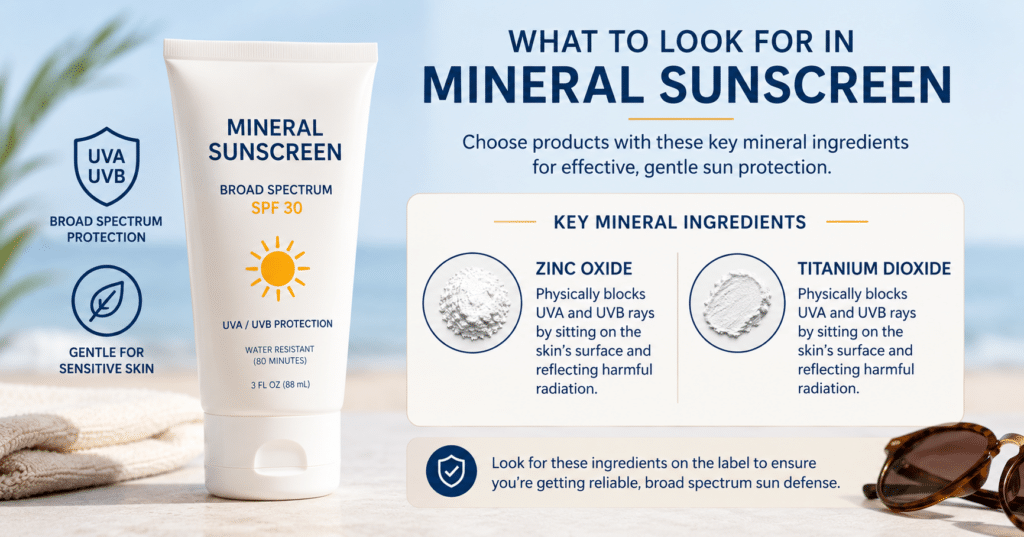
When choosing sunscreen, check the active ingredients. Mineral sunscreens containing zinc oxide and titanium dioxide are excellent choices because they physically block UV rays by sitting on the skin’s surface and reflecting harmful radiation.
Mineral sunscreens are gentle and great for sensitive skin, making them a favorite here at Smart Skin Dermatology. They provide strong broad spectrum protection and are less likely to irritate your skin compared to some chemical sunscreens. Look for these ingredients on the label to ensure you’re getting reliable sun defense.
Water Resistant Sunscreen: What You Need to Know
If you’re planning to swim, sweat, or be active outdoors, water resistant sunscreen is a must. These sunscreens maintain their protection for a set amount of time—usually 40 or 80 minutes—even when exposed to water.
But remember, no sunscreen is completely waterproof. Always reapply sunscreen right after swimming or heavy sweating to keep your skin protected. Check the label for water resistance details to pick the best sunscreen for your activities.
Application Tips for Maximum Protection
To get the most out of your sunscreen, apply it thoroughly and correctly. Adults generally need about one ounce (about the size of a shot glass) to cover all exposed skin. This might feel like a lot, but it’s necessary for full protection.
Here are some tips from the dermatology experts at Smart Skin Dermatology:
- Apply sunscreen at least 30 minutes before going outside.
- Reapply every two hours.
- Don’t forget to reapply immediately after swimming or sweating.
Consistent application helps protect your skin all day long and reduces the chance of sunburn and long-term damage.
Additional Protective Measures Against UV Exposure
Sunscreen is important, but it’s just one part of a complete sun safety routine. Wearing sun protective clothing, such as wide-brimmed hats and long sleeves, and seeking shade during peak sun hours can further protect your skin.
For areas like your scalp or lips, use sunscreen sprays or SPF lip balms. Combining these measures with sunscreen gives you the best chance to keep your skin healthy and youthful.
The Role of UVA and UVB Sunscreen in Preventing Skin Cancer
Repeated UV exposure increases your risk of skin cancer, so protecting your skin from both UVA and UVB rays is vital. Broad spectrum sunscreens are essential because SPF alone only measures UVB protection.
Mineral sunscreens with zinc oxide and titanium dioxide offer reliable, stable protection against both UVA and UVB rays. For those with a history of skin cancer or high sun exposure, using sunscreen with at least SPF 30—or higher—is especially important.
Regular use of broad spectrum sunscreen, combined with other protective habits, can significantly lower your risk of skin cancer and keep your skin looking its best.

Summary
At Smart Skin Dermatology, we believe that understanding UVA and UVB rays, choosing the right broad spectrum sunscreen, and applying it properly are key to protecting your skin. Along with smart sun habits like wearing protective clothing and seeking shade, you can enjoy the outdoors safely and keep your skin healthy for years to come.
Schedule your consultation today at Smart Skin Dermatology in Lehi, Utah.
Frequently Asked Questions
What is the difference between UVA and UVB rays?
UVA rays penetrate deeper and cause aging and DNA damage, while UVB rays cause sunburn and increase skin cancer risk. Knowing this helps you choose the right sunscreen.
Why is broad spectrum protection important?
Broad spectrum protection shields your skin from both UVA and UVB rays, helping prevent premature aging, sunburn, and skin cancer.
How do I choose the right SPF value?
Use at least SPF 15 daily, and consider higher SPF for extended sun exposure. Our dermatologists can help you find the best SPF for your skin.
What are the key ingredients to look for in a sunscreen?
Look for zinc oxide and titanium dioxide for reliable broad spectrum protection, especially if you have sensitive skin.
How often should I reapply sunscreen?
Reapply every two hours and immediately after swimming or sweating to maintain protection.
At Smart Skin Dermatology, we’re here to help you protect your skin with expert advice and quality products. Feel free to reach out to us with any questions or to schedule a consultation!

Lindsey is a board-certified Physician Assistant with over a decade of experience in dermatology. Born and raised in Salt Lake City, she earned her undergraduate degree in Human Movement Science from Utah State University on a full-ride soccer scholarship before completing her master’s in Physician Assistant Studies at A.T. Still University. She treats patients of all ages, with a special interest in acne, skincare, and cosmetic dermatology, and is passionate about education and helping train the next generation of physician assistants.