
High Altitude and UV Exposure: Why Your Skin Burns Faster at Higher Elevations
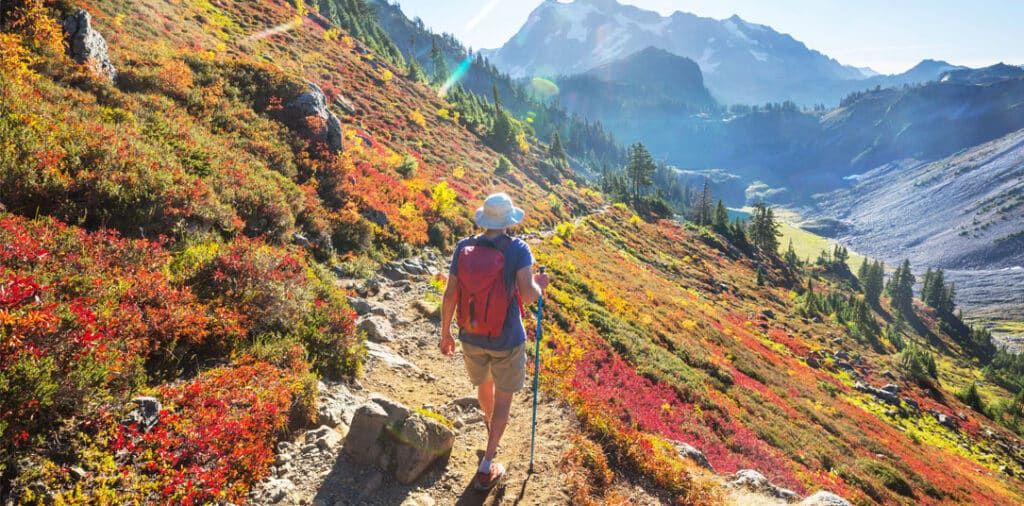
If you’ve ever come home from a day of skiing with a surprisingly painful sunburn-or noticed your skin reddening after just a short hike in the mountains-you’re not alone. High altitude and UV exposure go hand in hand, and understanding why can help you protect your skin all year long.
Quick Answer: Why You Burn Faster at High Altitude
In high altitude areas like Utah’s mountains, there is simply less atmosphere above you. That thinner atmosphere offers less absorption and filtering of UV rays, which means more UV radiation reaches your skin and eyes before it can be scattered or blocked.
The result is straightforward: unprotected skin burns much faster at higher altitudes due to intensified UV radiation. The same amount of time outside at 9,000 feet can leave you with a noticeable sunburn that wouldn’t have happened at sea level.
Both UVA (the rays linked to aging and deep skin damage) and UVB (the rays that cause sunburn) are stronger at elevation. Add in reflective surfaces like snow and light-colored rock, and UV exposure climbs even further.
The good news? With consistent UV protection, you can still enjoy hiking, skiing, and every other outdoor activity safely. The key is knowing what you’re dealing with and planning accordingly.
How High Altitude Changes UV Exposure
Think of the atmosphere as a natural filter for sunlight. Air molecules, ozone, and tiny particles all absorb and scatter UV rays on their way down to the ground. At higher elevations, there’s less of that filter above you-so more UV makes it through.
How much more? UV intensity increases by roughly 10–12% for every 1,000 meters (about 3,280 feet) of elevation gain. UV radiation can also increase by up to 10% per 1,000 feet, depending on conditions. At extreme elevations around 5,000 meters, UV exposure is 50–60% higher than at sea level.
For everyday context, that means mountain towns and ski resorts receive noticeably stronger sun than coastal cities at the same latitude. A sunny afternoon along the Wasatch Front delivers more UV to your skin than the same afternoon at a beach at sea level-even though the beach might feel hotter.
This increased UV exposure isn’t seasonal. It’s present year-round, which matters for anyone who lives, works, or plays in high altitude areas. Winter sun at 9,000 feet can be just as damaging to your skin as summer sun at lower elevations.
Understanding UV Radiation: UVA vs. UVB in the Mountains
UV is a type of invisible light from the sun that damages skin and eyes. Two types matter most for your skin: UVA and UVB.
Here’s a quick comparison:
| UVA | UVB | |
| Wavelength | Longer (320–400 nm) | Shorter (280–320 nm) |
| Skin effect | Penetrates deeper; linked to wrinkles, brown spots, aging | Causes sunburn; key role in skin cancer |
| Time of day | Fairly consistent all day | Strongest midday |
| Altitude effect | Increases ~8–10% per 1,000 m | Increases up to ~18% per 1,000 m |
| Through glass? | Largely passes through windows | Mostly blocked by glass |
Both UVA and UVB grow stronger at higher elevations because less of each is filtered by the thinner atmosphere. UVB is especially sensitive to altitude changes-studies in the Alps have observed increases of 15–18% per 1,000 meters for sunburn-causing radiation.
Because UVA can penetrate windows, year-round UV protection matters even indoors near large windows. UV protection window film blocks up to 99% of UV radiation and also reduces fading of furniture and flooring. Installing UV protection window film can even lower cooling costs in summer by reducing heat gain. These are worth considering if you live in a sun-drenched mountain home.
Everyday High-Altitude Life: Utah and Other Mountain Regions
If you live in Utah, daily life already happens at significant elevation. The Salt Lake Valley sits around 4,200 feet, Park City is near 7,000 feet, and popular ski areas push well above 9,000 feet. That means your baseline UV exposure is already elevated compared to someone living at sea level.
Common activities that carry higher UV exposure at altitude include:
- Hiking in the Wasatch and Uinta ranges
- Skiing and snowboarding at resorts like Alta, Snowbird, Park City, and Brighton
- Boating at higher-elevation reservoirs
- Trail running, mountain biking, and rock climbing along any ridge
Even simple routines-walking the dog at lunch, watching kids’ soccer practice, doing yard work-happen under more intense UV radiation here. For comparison, Colorado experiences over 300 days of sunshine annually, and Utah’s mountain valleys see similarly clear skies. Under those conditions, clear skies can effectively double UV exposure compared to sea level locations with more atmospheric haze.
Visitors from lower elevations are especially vulnerable. Their skin hasn’t adapted to the stronger sun, so they may burn surprisingly fast on their first days here. At high altitudes, the combination of thinner atmosphere and snow or reflective ground increases UV risks beyond what most people expect.
If you live in or frequently travel to high altitude areas, treat sun protection as a daily habit-not just something you think about at the beach.
Cold, Snowy, or Cloudy? Why Temperature Doesn’t Predict UV Risk
One of the most common misconceptions we hear is that you only need sun protection when it feels hot. In reality, temperature and UV radiation are completely separate factors. Cool ambient temperatures at high altitudes can disguise the intensity of UV exposure, leading people to skip sunscreen on days when UV levels are actually quite high.
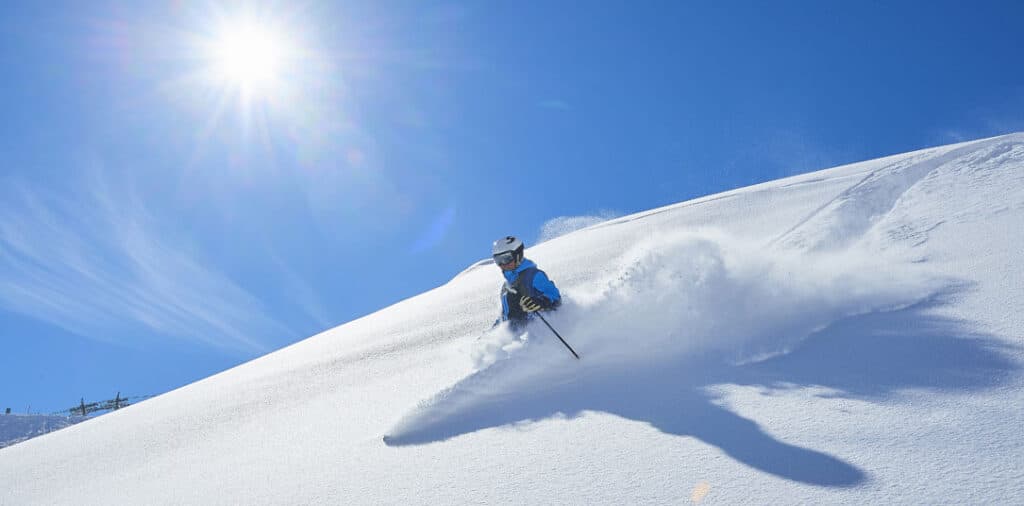
On a cold winter day at a ski resort, the UV Index can still reach “high” or “very high” categories because of altitude and direct sun. Your skin doesn’t care that the air is below freezing-UV rays cause damage regardless of how warm or cold you feel.
Snow makes this worse. Fresh snow can reflect 80–90% of UV radiation back toward your face, neck, and the underside of your chin. That means you’re getting hit with harmful UV rays from above and below simultaneously-a combination that can lead to fast, severe burns in areas you might not think to protect.
Clouds offer some reduction, but not as much as most people assume. Thin or broken cloud cover still allows a large percentage of UV through. You can absolutely get a sunburn on an overcast day in the mountains.
Our advice: check the daily UV Index rather than relying on how the weather feels. A high UV Index at elevation calls for consistent protection regardless of temperature.
How High-Altitude UV Affects Your Skin Over Time
Sunburn is the most obvious sign of UV damage, but it’s far from the only one. Prolonged exposure to stronger UV at altitude quietly affects the skin over months and years, even on days you don’t visibly burn.
Short-term effects of high-altitude UV include:
- Faster sunburns, sometimes within 30–60 minutes of unprotected exposure
- Painful redness, swelling, and occasionally blisters
- Discomfort that can linger for days after a long day outdoors
Longer-term changes observed in people who regularly spend time at elevation include:
- Earlier appearance of wrinkles and fine lines
- Uneven pigmentation and sun spots
- A leathery skin texture that can affect your appearance over time
UV exposure can lead to premature skin aging and skin cancer. Higher UV exposure can accelerate cellular stress and increase skin cancer risk-and diseases such as melanoma incidence may increase with altitude due to UV exposure. Cumulative UV damage raises the risk of non-melanoma skin cancers like basal cell and squamous cell carcinoma, particularly in fair-skinned individuals or those with a history of many moles.
Cumulative UV exposure also increases risk for eye conditions like cataracts and pterygium, making eye protection just as critical as skin protection.
The reassuring part: protective habits started now still make a meaningful difference at any age. Your skin has some ability to repair prior damage when you reduce ongoing UV exposure.
Practical UV Protection at Higher Elevations
At high altitude, layering multiple forms of UV protection works far better than relying on any single method. Here’s what we advise:
Sunscreen
- Apply SPF 30+ sunscreen to all skin exposed to UV rays
- Choose broad-spectrum formulas that block both UVA and UVB
- Opt for water-resistant options if you’ll be sweating, skiing, or biking
- Reapply every two hours, or sooner after sweating or wiping your face
- Don’t forget often-missed spots: ears, lips (use an SPF lip balm), scalp or hairline, and under the chin where reflected UV from snow and rock can hit
Protective clothing
- Wear tightly woven, long-sleeved shirts and long pants
- Lightweight sun shirts and neck gaiters are comfortable even in summer at elevation
- Look for labels with a UPF (Ultraviolet Protection Factor) rating for the best quality protection
Hats
- Wide-brimmed hats that cover the ears, face, and back of the neck are far more effective than baseball caps, which leave the ears and neck exposed
Eye protection
- Sunglasses should be rated UV400 to block harmful rays across UVA and UVB wavelengths
- Wraparound frames or snow goggles protect the delicate eyelid skin and reduce glare
- Polarized lenses reduce glare but may mask ice features on the ground, so keep that in mind on the slopes
Shade and timing
- Use natural shade when possible-trees, building overhangs, lodge patios
- Plan outdoor activities in the morning or later afternoon when the sun is lower and UV intensity is somewhat reduced
High-Altitude Sun Safety for Skiing, Snowboarding, and Winter Sports
Some of the worst sunburns we see come after a long, enjoyable day on the slopes. People underestimate winter UV radiation because the air feels cold, but the combination of high altitude, strong midday sun, highly reflective snow, and hours outdoors with limited shade creates a perfect storm for skin damage.
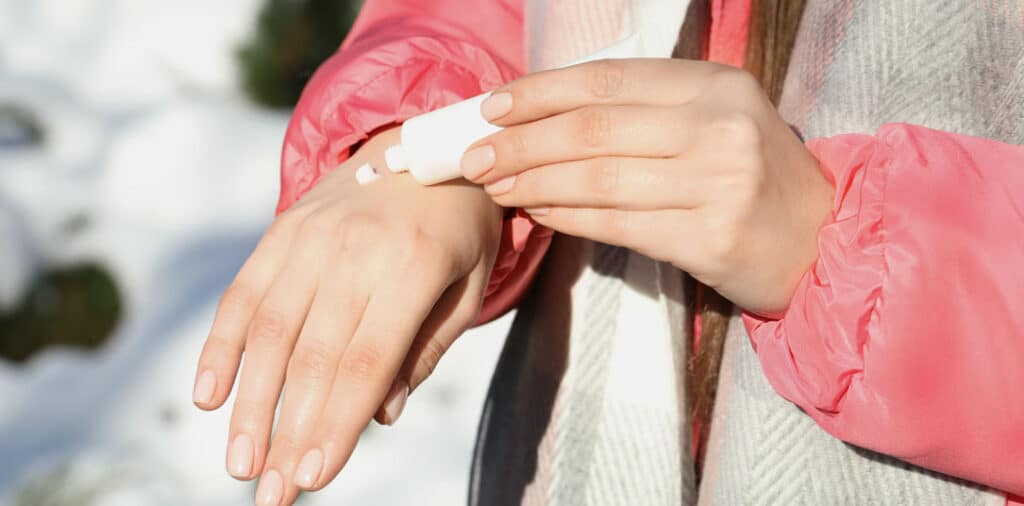
A pre-slope routine that works:
- Apply a generous layer of broad-spectrum SPF 30+ to your face and any exposed skin 15–30 minutes before heading outside
- Put on a lip balm with SPF-lips burn easily and are often overlooked
- Pack sunscreen in a jacket pocket for midday reapplication at the lodge or on the lift
Gear that doubles as protection:
- Helmets paired with goggles that complete coverage over the eye area
- Neck warmers or balaclavas that protect the lower face from both cold and UV
- Gloves or mittens so you’re not tempted to remove gear and forget to reapply
Wind and cold can degrade your skin’s moisture barrier and make sunburn symptoms feel worse afterward. Gentle moisturizing after a day of sun exposure helps with comfort and supports your skin’s natural repair process.
Whether you’re at Snowbird, Brighton, or any other Utah resort, building these habits into your ski kit makes a real difference over a season’s worth of lifespan on the slopes.
Common Myths and Questions About High-Altitude UV Exposure
Take a moment to check your own assumptions about sun safety in the mountains. A few of these might surprise you.
“Can I get sunburned when it’s cold?” Yes. UV radiation is completely independent of air temperature. You can get a severe sunburn on a freezing day at elevation. The cold may even mask early warning signs because your skin already feels numb or wind-chilled.
“Do clouds protect me from UV at high altitude?” Only partially. While thick, dark clouds may reduce some UV, thin or scattered cloud cover still lets enough radiation through to burn you-especially at elevation where the atmosphere is already thinner.
“Why do I burn faster skiing in Utah than I did back home?” It’s the combination of higher altitude, cleaner and clearer air (fewer aerosols to block UV), and highly reflective snow. These factors together mean your skin receives significantly more UV than it would at lower elevations with haze or less reflective ground.
“If I have darker or tanned skin, do I still need UV protection at altitude?” Absolutely. All skin types can be damaged by UV radiation, even if burning is less obvious. Prolonged exposure still contributes to premature aging, skin issues like uneven pigmentation, and increased skin cancer risk over time. Protection matters for everyone.
“Can UV at altitude hurt my eyes?” Yes. Intense UV exposure at high altitudes increases the risk of photokeratitis (sometimes called “snow blindness”) and cataracts. Photokeratitis symptoms-pain, tearing, light sensitivity-typically appear 6–12 hours after UV exposure. Wearing proper sunglasses or goggles with a UV-blocking lens is imperative for eye security at elevation.
When to Seek Medical Care for a High-Altitude Sunburn
Most mild sunburns heal on their own with cool compresses, moisturizer, and time. But certain signs mean you should see a medical professional:
- Large areas of blistering or skin that feels compromised
- Severe pain that isn’t improving
- Chills, fever, nausea, dizziness, or confusion after prolonged sun exposure
- Signs of dehydration, especially in very young children or older adults
Beyond acute burns, watch for persistent new or changing spots on the skin, sores that don’t heal, or moles that shift in size, shape, or color. These changes, especially in someone with a history of high UV exposure, deserve an exam with a dermatologist.
We’re here to help with both urgent sunburn concerns and long-term skin checks. An in-person visit lets our team give you personalized advice based on your skin and your lifestyle.
How We Can Help You Protect Your Skin at High Altitude
Living and playing in Utah’s mountains is one of the best parts of being here. The hiking, skiing, and overall quality of outdoor life are hard to beat. But that lifestyle does call for extra attention to UV protection-and we’re happy to help you build a plan that actually fits your routine.
During a visit, we can review your personal and family skin history, check for signs of sun damage or areas of concern affecting your skin’s appearance, and recommend a practical UV protection approach tailored to your activities. Whether you spend every weekend on a ridge in the Wasatch or just head to the mountains a few times a year, having a strategy in place gives you the security of knowing you’re taking care of your skin without overthinking it.
If you’d like a skin check, have questions about sun damage, or just want help choosing the right sunscreen and sun-protective gear for your skin type, schedule an appointment with Smart Skin Dermatology. We’d love to help you keep enjoying the outdoors with confidence.

Nicole Heaps is a board-certified Family Nurse Practitioner with over 15 years of medical experience, specializing in both medical and cosmetic dermatology. Her approach to skincare is rooted in a deep understanding of the connection between clinical health and personal confidence. Nicole is dedicated to helping her patients achieve their best skin through a blend of advanced medical treatments and evidence-based aesthetic procedures.