
What Does an Exfoliating Scrub Do?
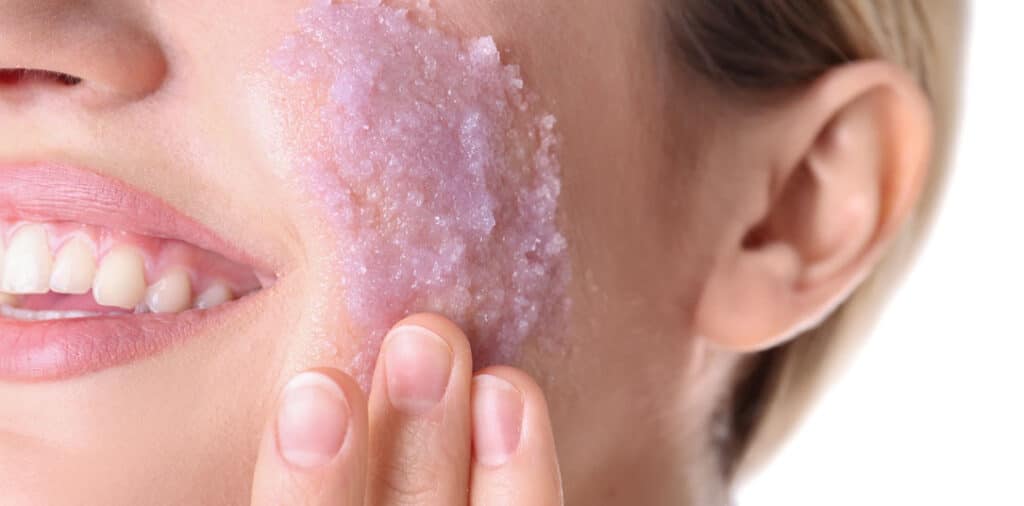
Exfoliating scrubs have long been a popular step in many skincare routines, promising a quick path to glowing, smooth skin. That satisfying feeling of scrubbing away the day’s grime can be incredibly tempting. But what is actually happening to your skin when you use one? This process is known as skin exfoliation, which involves removing the outer layer of dead skin cells to reveal brighter, healthier skin beneath.
Understanding how these products work is key to using them correctly and avoiding potential damage. Exfoliating scrubs help remove dead skin, allowing fresher, more radiant skin to surface.
This guide will explain what exfoliating scrubs do, the benefits they offer, including achieving a youthful glow, their potential drawbacks, and how they compare to other exfoliation methods.
The Immediate Effects of Exfoliating Scrubs to Remove Dead Skin Cells
Exfoliating scrubs are a type of physical exfoliation. This means they use small, abrasive particles to manually buff away the outermost layer of your skin, known as the stratum corneum, which is the skin’s surface. This layer is primarily composed of dead skin cells that can make your complexion look dull and feel rough.
Here’s what happens when you use a scrub:
- Smoother Skin Texture: By physically sloughing off dead cells, a scrub can instantly make your skin feel softer and smoother to the touch. Exfoliating scrubs help keep skin soft, which is often the most noticeable and gratifying result.
- Brighter Complexion: Removing the buildup of dull, dead skin cells reveals the newer, fresher skin underneath. This exposes new skin cells and can give your complexion an immediate boost in brightness and radiance, resulting in glowing skin.
- More Even Skin Tone: If you have patchy or uneven areas due to dead skin buildup, a scrub can help even out your skin’s appearance, improving uneven texture and creating a more uniform canvas.
- Unclogged Pores: Scrubs help clear away surface debris and oil that can clog pores. This process leaves your skin feeling refreshed, can make pores appear smaller, and reduce the likelihood of minor breakouts.
- Enhanced Product Absorption: With the top layer of dead skin gone, your other skincare products, like serums and moisturizers, can penetrate the skin more effectively. This allows their active ingredients to work more efficiently.
To get the best results, gently rub or gently massage the scrub onto your skin.
Think of it like sanding a piece of wood before painting. The scrub smooths the surface so that everything you apply afterward goes on more evenly and adheres better.
The Caveat: Potential Drawbacks of Scrubs
While the immediate rewards are appealing, the very nature of physical exfoliation comes with significant risks. The effectiveness and safety of a scrub depends heavily on the type of particles it contains, how much pressure you apply, and how often you use it. It’s important to learn how to safely exfoliate to avoid irritated skin and prevent potential damage.
The main issue is that many scrubs are simply too abrasive for the delicate skin on your face. Your skin deserves the same gentle approach. Those with acne prone skin should be especially careful when choosing and using scrubs.
The Risk of Micro-Tears for Sensitive Skin
Scrubs containing coarse or irregularly shaped particles, such as crushed nuts, fruit pits, or large plastic beads, can be particularly harsh. When you rub these sharp-edged particles against your skin, they can create microscopic cuts known as micro-tears.
You may not be able to see these tiny injuries, but they can lead to several problems:
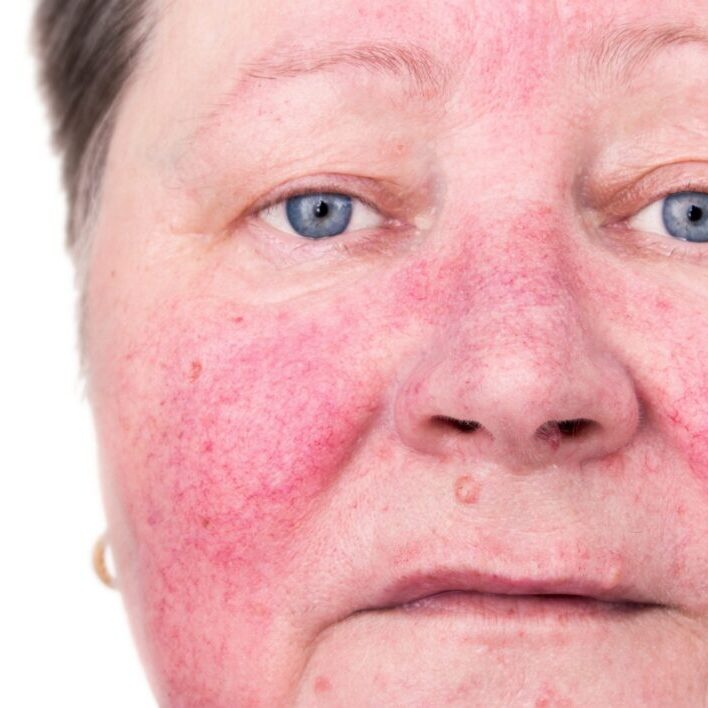
- Irritation and Redness: The friction from aggressive scrubbing can cause immediate inflammation, leaving your skin looking red and feeling sensitive.
- Increased Sensitivity: Over time, repeated micro-trauma can make your skin more reactive to other products and environmental factors.
- A Compromised Skin Barrier: Your skin barrier is the outermost layer that locks in moisture and protects you from harmful bacteria and irritants. Micro-tears can weaken this barrier, leading to dehydration, flakiness, and an increased risk of infection and breakouts. This can result in flaky skin, which not only affects appearance but can also clog pores and further compromise skin health.
Imagine trying to clean a delicate silk scarf with a stiff-bristled brush. You might remove some surface dust, but you’d also likely snag and damage the fragile fibers in the process. Your skin deserves the same gentle approach.
Scrubs vs. Chemical Exfoliants and Retinoids
Physical scrubs offer a temporary glow, but they don’t address skin health at a deeper, cellular level. For long-term improvements in skin structure and function, other types of exfoliants are generally more effective and less risky. Physical and chemical exfoliation are the two main categories of exfoliation, each offering distinct benefits for skin renewal.

How Chemical Exfoliants Work
Chemical exfoliants use acids, such as Alpha-Hydroxy Acids (AHAs) and Beta-Hydroxy Acids (BHAs), to dissolve the “glue” that holds dead skin cells together. Chemical exfoliators come in various forms, including serums, toners, and peels, offering options for different skincare routines and preferences. This allows the cells to shed naturally and evenly without the need for harsh scrubbing.
- AHAs (e.g., Glycolic Acid, Lactic Acid) are water-soluble and work on the skin’s surface. They are excellent for improving skin texture, reducing the appearance of fine lines, and fading hyperpigmentation.
- BHAs (e.g., Salicylic Acid) are oil-soluble, which means they can penetrate deeper into the pores to clear out oil and debris. This makes them ideal for acne-prone and oily skin.
Because chemical exfoliants promote a more controlled and uniform shedding process, they help stimulate cell turnover from a deeper level, leading to more significant and lasting results than a surface-level scrub.
The Power of Retinoids
Retinoids, which are derivatives of Vitamin A (like retinol and tretinoin), are considered the gold standard in anti-aging and skin renewal. They work by binding to receptors in your skin cells and encouraging them to behave like younger, healthier cells.
This process speeds up cell turnover dramatically, helping to:
- Build collagen for firmer, plumper skin.
- Reduce fine lines and wrinkles.
- Unclog pores and treat acne.
- Improve overall skin tone and texture.
While scrubs simply buff the surface, chemical exfoliants and retinoids work from within to fundamentally improve the skin’s structure and health over time.
Importance of Sun Protection
Exfoliating your skin—whether with a body scrub, chemical exfoliant, or both—removes the top layer of dead skin cells, revealing fresh, new skin underneath. While this process can leave your skin feeling smooth and looking radiant, it also makes your skin more sensitive to the sun’s harmful rays. After exfoliation, your skin’s natural barrier is temporarily weakened, increasing the risk of sunburn, irritation, and long-term damage like premature aging or uneven skin tone.
To keep your skin healthy and avoid skin irritation, it’s essential to make sun protection a non-negotiable part of your skincare routine. Always apply a broad-spectrum sunscreen with at least SPF 30 every morning, even on cloudy days or if you’re staying indoors. This is especially important for those with sensitive skin, dry skin, or combination skin, as these skin types can be more prone to irritation after exfoliation. If you use a body scrub or chemical exfoliation, try to avoid direct sun exposure for at least 24 hours afterward to give your skin time to recover.
Incorporating a body lotion or moisturizer with SPF into your daily skincare regimen can help lock in moisture and provide an extra layer of defense against UV rays. Choose skincare products that suit your skin type—whether you have oily skin, dry or sensitive skin, or normal skin—to ensure your skin stays supple and protected. Regular exfoliation, when paired with diligent sun protection, helps you achieve a glowing, radiant complexion while maintaining a strong, healthy skin barrier.
By making sun protection a priority after every exfoliation, you can safely enjoy the benefits of smoother, more even skin without risking irritation or long-term damage. Remember, a healthy glow starts with a smart skincare routine that includes both regular exfoliation and daily sun defense.
Finding Your Place with Exfoliation
So, should you throw out your exfoliating scrub? Not necessarily. While chemical exfoliants and retinoids offer more profound, long-term benefits, a gentle physical scrub can still have a place in some skincare routines when used correctly. Always start with clean skin and use warm water to help soften and prepare your skin for exfoliation.
If you enjoy the feeling of a scrub, follow these guidelines for safer use:
- Choose Wisely: Opt for scrubs with small, smooth, and perfectly round particles, such as jojoba beads or fine sugar. Sugar or salt scrubs, salt scrubs, and coffee grounds are popular examples of the right body scrub for effective physical exfoliation. You can also use an exfoliating mitt as a tool to help buff away dead skin cells. Avoid products with jagged particles like nut shells.
- Be Gentle: Use light, circular motions and let the product do the work. Never press hard or aggressively rub your skin. Use an exfoliating mitt or your hands to gently massage the product.
- Limit Use: For most skin types, using a physical scrub once a week is more than enough. Over-exfoliating is one of the most common skincare mistakes and can quickly lead to irritation.
- Listen to Your Skin: If you experience redness, stinging, or sensitivity after using a scrub, it’s a clear sign that the product is too harsh for you. Stop using it and focus on repairing your skin barrier with soothing, hydrating ingredients.
For best results, use a body wash before exfoliating to ensure your skin is clean and to maximize the benefits of your scrub. Regular exfoliation helps prevent ingrown hairs and is especially useful for those prone to ingrown hairs. Consider choosing scrubs with essential oils or soothing ingredients like aloe vera, especially if you have sensitive skin. Always moisturize after exfoliation to maintain soft, supple skin. Don’t forget the importance of facial exfoliation—choose the right physical exfoliant for your skin type to keep your complexion smooth and healthy.
Ultimately, building a healthy skincare routine is about understanding what your skin needs and choosing products that support its long-term health, not just those that offer a quick, temporary fix.
Schedule a consultation today at Smart Skin Dermatology in Lehi, Utah.

Carrie Jackman, PA-C, brings a unique blend of expertise, passion, and genuine care to Smart Skin Dermatology. Carrie’s passion extends beyond treating specific conditions. She thrives on building relationships with her patients, providing a warm and welcoming environment where everyone feels comfortable and heard. Her genuine care shines through in her interactions, ensuring each patient receives personalized attention and understanding.