Why Do Pimples Hurt? Causes and Effective Relief Methods

Pimples hurt because of inflammation and pressure on nerve endings in the skin. When your pores clog with oil, dead skin cells, and bacteria, inflammation occurs, leading to pain. This blog explores why do pimples hurt, the types of painful pimples, and effective relief methods.
Understanding Pimple Pain
Pimples form when pores are clogged with dead skin cells, excess oil, debris, and bacteria, leading to inflammation. The primary culprit behind a painful pimple is inflammation.
Think of inflammation as your body’s alarm system, a vital part of its healing process. When something is amiss – whether it’s an injury, an infection, or acne, your immune system springs into action, leading to inflammation. This is why a sprained ankle swells and hurts, or a sore throat feels raw. Pimples are no different; they are localized areas of inflammation in your skin.
Irritation or squeezing the pimple can worsen inflammation and risk infection. Soreness and discomfort are common, making them a recurring issue for acne-prone skin. Recognizing the mechanics of pimple pain is crucial for effective management. Understanding the role of inflammation and pressure highlights the need for gentle, appropriate acne treatments to prevent worsening the condition.
Why Does Inflammation Cause Pain?
So, how does inflammation translate into pain? This is where our nervous system comes into play. Within your skin, and throughout your body, there are specialized nerve fibers called nociceptive C fibers. These are essentially your body’s pain messengers. When inflammation is present, it releases various chemical signals (like prostaglandins and bradykinins) that activate these C fibers. Once activated, these fibers transmit pain signals to your brain, causing you to feel that familiar ache or throb.
The intensity of the pain you experience from a pimple isn’t just about how much inflammation is present. It’s also significantly influenced by the concentration of these nociceptive C fibers in a particular area.
Why does a tiny little pimple in your nose or ear can feel almost unbearable? Areas like your nose, ears, fingertips, and lips are packed with a much higher density of nociceptive C fibers. This increased concentration means that even a small amount of inflammation in these sensitive spots can trigger a disproportionately strong pain response.
Inflammation and Immune Response
Inflammation is central to the pain and discomfort of pimples. When pores are clogged with dead skin cells, oil, and bacteria, the immune system sends white blood cells to the affected area, fighting bacteria and causing inflammation—characterized by redness, swelling, heat, and tenderness. These symptoms indicate the body is combating a potential skin infection.
White blood cells release substances that cause more inflammation, leading to fluid and pus accumulation within the pimple. This increases pressure on surrounding skin and nerve endings, resulting in a painful, tender blemish. The pus, a mixture of dead skin cells, bacteria, and white blood cells, is a byproduct of the body’s defense mechanism.
Pimple pain is directly linked to inflammation and fluid buildup, which can lead to swollen areas. As the immune response continues, pressure within the pimple intensifies, causing deep painful sensations and discomfort.
This process underscores the importance of treatments that reduce inflammation and soothe inflammation of the skin, offering pain relief and aiding healing time as inflammation shows recommended by a healthcare provider.
Types of Painful Pimples

Different types of pimples require different management strategies. Cystic acne is one of the most severe forms, characterized by painful, pus-filled lesions forming deep within the skin. These acne cysts are often large, tender, and associated with significant inflammation.
Acne nodules are solid, painful bumps under the skin that occur when the hair follicle wall ruptures deep within the dermis. An acne nodule forms when this process happens.
Pustules are red, inflamed acne lesions with a white head and a pink or red ring around them. They are also painful due to the inflammatory response triggered by trapped bacteria, often resulting in pus filled pimples.
Each type of painful pimple presents unique treatment challenges but shares the commonality of causing discomfort and requiring careful handling to avoid complications.
Role of Bacteria in Pimple Pain
Bacteria significantly contribute to pimple development and pain. Propionibacterium acnes (P. acnes) thrives in oily, clogged pores and causes inflammation through the following actions:
- Breaking down sebum and keratin
- Secreting enzymes that weaken the skin lining of comedones
- Causing comedones to rupture, which further inflames the area.
P. acnes presence triggers the immune system to send white blood cells to the infection site, increasing inflammation and pain. Chronic inflammation exacerbates acne symptoms, making pustules, papules, nodules, and cysts particularly painful.
Recognizing bacteria’s role in pimple pain highlights the importance of treatments targeting these bacteria, like benzoyl peroxide, which can reduce inflammation and alleviate discomfort.
Hormonal Influences on Painful Pimples
Hormonal fluctuations significantly contribute to painful pimples. Hormonal acne often occurs in adults aged 20 to 50, triggered by hormone level changes. These fluctuations can lead to overproduction of sebum, clogging pores and resulting in painful, red, inflamed lesions. Women are particularly prone to hormonal acne, especially during menstrual cycles, pregnancy, or menopause.
Excess sebum from hormonal changes creates an environment where bacteria thrive, leading to more inflammation and pain. Recognizing hormonal influences on acne helps in managing and preventing painful breakouts. Treatments regulating sebum production and reducing inflammation are particularly effective for inflammatory acne.
Effective Methods to Relieve Pimple Pain
Effective pimple pain management involves reducing inflammation and avoid popping actions that worsen the condition. Squeezing or popping pimples should be avoided, as it can increase inflammation, cause deeper infections, and lead to scarring.
Instead, consider methods like cold compresses, topical treatments, and medicated acne patches to alleviate pain and promote healing.
Applying Cold Compresses
Applying a cold compress is a quick way to relieve pimple pain. It reduces swelling and numbs the area, providing fast relief from discomfort.
To apply ice a cold compress, clean the area around the pimple, wrap ice in a paper towel, and hold it against the pimple for 5-10 minutes. This simple method can significantly reduce pain and inflammation.
Using Topical Treatments
Topical treatments are crucial for managing pimple pain and reducing inflammation. Benzoyl peroxide is a common ingredient that targets acne-causing bacteria and soothes inflammation. Acne “spot” treatments are typically not as effective as “field” treatments when using benzoyl peroxide or other topical acne treatments to reduce swelling and speed up healing. Applying these treatments directly to the surrounding areas in addition to the affected area, can provide significant relief.
Besides over-the-counter benzoyl peroxide, other more effective prescription topical treatments include topical antibiotic lotions topical retinoids. Topical antibiotics reduce inflammation and fight acne-causing bacteria. Retinoids promote cell turnover and prevent clogged pores, reducing future breakouts.
These treatments are more effectice than what is available at a local drugstore. Consistent skincare routines with over-the-counter treatments and prescription topicals help manage and prevent painful pimples.
Preventing Painful Pimples
Preventing painful pimples is better than treating them. Gentle skin cleansing can prevent irritation and reduce acne flare-ups. Avoid harsh scrubbing, as it can worsen irritation and existing pimples. Over cleansing can also lead to more painful pimples. Removing makeup before bedtime is crucial to prevent clogged pores and breakouts.
Using non-comedogenic products prevents painful pimples, as they are formulated not to clog pores, reducing breakouts.
Lifestyle changes like managing stress, getting adequate sleep, and maintaining a consistent skincare routine can significantly prevent acne breakouts. Patting sweat away with a towel instead of rubbing helps prevent skin irritation that leads to severe breakouts.
Incorporating these preventive measures into your daily routine can significantly reduce painful pimples and improve overall skin health.
When to Consult a Dermatologist
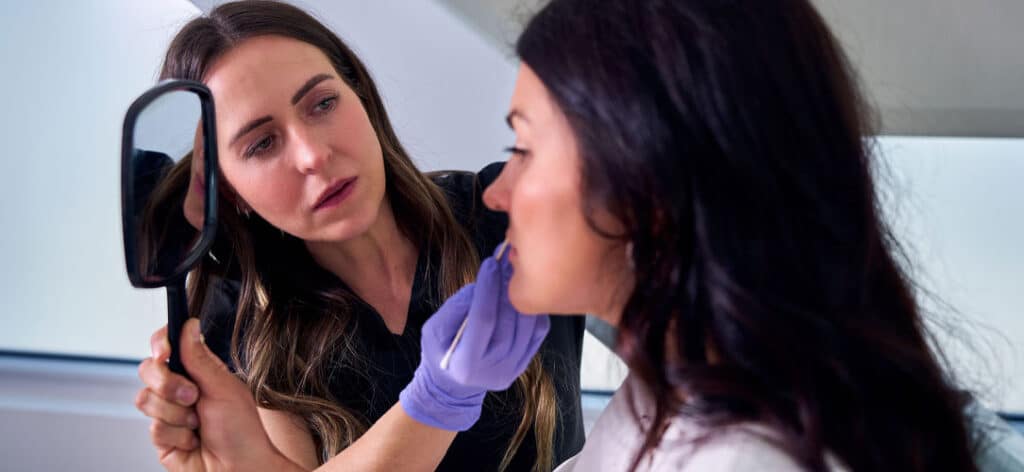
While over-the-counter treatments can be effective, sometimes professional help is necessary. If acne persists despite various treatments, consult an acne expert. A board-certified dermatologist can provide personalized treatment plans and prescribe more effective medications for severe cases.
Nodules and cysts, types of severe acne, can take weeks to months to heal and are more likely to leave scars if not treated properly. Consulting a dermatologist can prevent long-term damage and scarring. Hormonal acne may also require specialized treatments a dermatologist can provide.
Summary
In summary, painful pimples are a common issue caused by clogged pores, inflammation, bacteria, and hormonal changes. Understanding the underlying causes of pimple pain can help in managing and treating these blemishes effectively. From applying cold compresses to using topical treatments, there are various methods to alleviate pain and promote healing.
Preventing painful pimples involves maintaining a consistent skincare routine, using non-comedogenic products, and making lifestyle changes to reduce stress and manage hormonal fluctuations. If over-the-counter treatments are not effective, consulting a dermatologist is essential for personalized care and preventing long-term damage. With the right knowledge and tools, you can achieve clearer, pain-free skin.
Take the first step toward healthier skin—schedule your consultation with Smart Skin Dermatology today.
Frequently Asked Questions
Why do pimples hurt so much?
Pimples can be quite painful primarily because of inflammation and the pressure they place on sensitive nerve endings in the skin. This discomfort is a common response to the body’s reaction to the acne.
What are the most effective treatments for painful pimples?
The most effective treatments for painful pimples include oral accutane, oral antibiotics, and prescription acne topicals. These methods can significantly alleviate discomfort and promote healing. There are less effective over-the-counter options in addition to these, but these are the most effective treatments.
Can hormonal changes cause painful pimples?
Indeed, hormonal changes can trigger the overproduction of sebum, leading to clogged pores and the formation of painful pimples.
When should I see a dermatologist for my acne?
If your acne persists despite over-the-counter treatments or is severe, you should see a dermatologist for personalized care. Prompt consultation can lead to more effective treatment options.
How can I prevent painful pimples?
To prevent painful pimples, it is essential to maintain a consistent skincare routine that includes gentle cleansing, using non-comedogenic products, and ensuring makeup is removed before sleep. Following these practices can significantly reduce the risk of breakouts.

Liz is a board-certified Family Nurse Practitioner with a passion for providing comprehensive dermatological care. She takes pride in her ability to competently treat patients of all ages, from pediatrics to geriatrics. Liz particularly enjoys developing preventative skin care regimens to help patients maintain healthy skin throughout their lives. Liz is a skilled communicator and a compassionate provider who strives to build long-lasting relationships with her patients.