
What Are Cosmeceuticals And Are They Worth It?
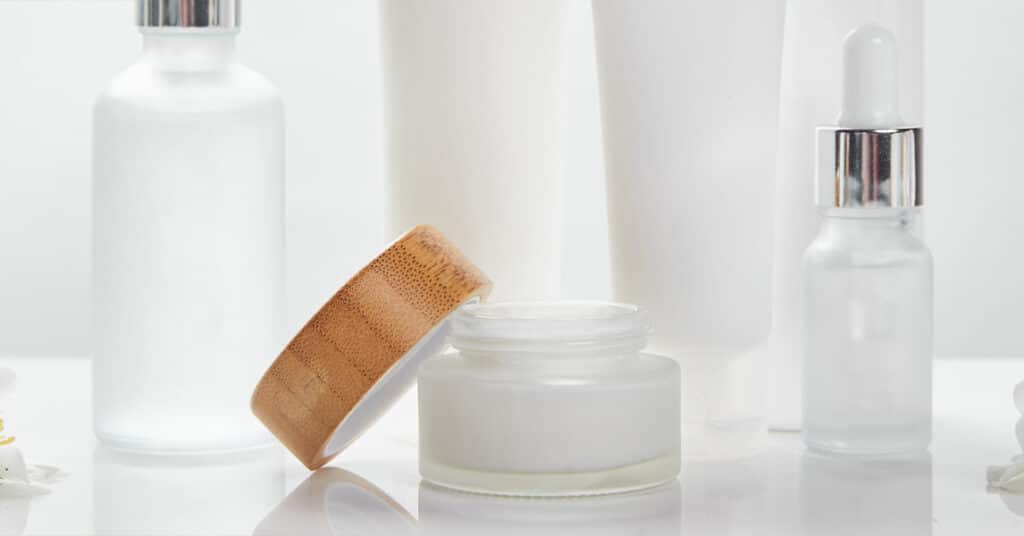
Navigating the world of skincare can feel like learning a new language. Walk into a dermatologist’s office or a high-end medispa, and you might be greeted by shelves of products labeled “physician-grade,” “medical-grade,” or the elusive “cosmeceutical.” These bottles often come with sleek packaging and a higher price tag, promising results that your drugstore moisturizer just can’t match.
But what exactly are cosmeceuticals? Are they truly superior, or is it just clever marketing?
The truth lies somewhere in between science and sales. While these products often boast high-quality ingredients and elegant formulations, the term itself sits in a regulatory grey area that can be confusing for consumers. The United States Food and Drug Administration does not formally recognize cosmeceuticals as a distinct category, and regulatory approaches differ from those in Europe and Japan. Many cosmeceuticals claim to affect the skin’s structure and function, often referencing their influence on the body’s structure, which is a key factor in how these products are classified and regulated. This guide will break down exactly what cosmeceuticals are, how they fit into the FDA’s landscape, and whether they deserve a spot in your daily routine.
Defining Cosmeceuticals: The “Fancy” Medical Products
At its core, the term “cosmeceutical” is a marketing term—a portmanteau of “cosmetic” and “pharmaceutical.” It was coined to describe skincare products that claim to have medicinal or drug-like benefits, bridging the gap between simple beauty products and prescription medications.
These products are typically sold directly to doctors’ offices, plastic surgeons, and dermatologists, who then sell them to patients. Because they are often dispensed by medical professionals, they carry an air of authority and efficacy.
You might hear them referred to by several different names, all of which essentially describe the same category of products:
- Dermaceuticals
- Physician-grade skincare
- Medical-grade skincare
- Dermocosmetics
- Active Cosmetics
- Functional Cosmetics
- Professional-Grade skincare
Regardless of the label, the intent is to signal that the product contains biologically active ingredients—like retinoids, antioxidants, or peptides—that are purported to have medical benefits affecting the structure and function of the skin.
The FDA’s Standpoint: Cosmetics vs. Drugs
Here is where things get tricky. Despite the medical-sounding names, the Food and Drug Administration (FDA) does not officially recognize the term “cosmeceutical.”
According to the Federal Food, Drug, and Cosmetic Act, the FDA only recognizes two primary categories relevant here:
- Cosmetics: Products intended to be applied to the human body for cleansing, beautifying, promoting attractiveness, or altering the appearance without affecting the body’s structure or functions. (Think: lipstick, standard moisturizers, shampoos).
- Drugs: Products intended to diagnose, cure, treat, or prevent disease, or products that affect the structure or function of the body. (Think: prescription acne medication, sunscreen).
For example, products like sunscreens are classified based on their sun protection factor (SPF), which determines whether they are regulated as cosmetics, over-the-counter drugs, or pharmaceuticals by the United States Food and Drug Administration.
Cosmeceuticals exist in a regulatory limbo. Manufacturers market them as having drug-like effects (like anti-aging or collagen-boosting) but classify them as cosmetics to avoid the rigorous, expensive, and time-consuming testing required for drug approval.
Understanding the Grey Area
Because the FDA does not have a “cosmeceutical” category, browsing for skincare can be confusing. You generally won’t find these “medical-grade” lines at your local grocery store. They are usually gated behind a professional’s office or specialized online retailers.
To make sense of the market, most dermatology offices and skincare professionals mentally categorize products into a three-tier system. Many skincare items, including cosmeceuticals, are available as over the counter products, making them accessible to consumers without a prescription. Understanding this hierarchy can help you manage your expectations and your budget.
When it comes to regulation, cosmeceuticals exist in a grey area because they are classified as cosmetics and do not go through the rigorous approval process required for drugs, which involves safety testing, notification, and compliance procedures by organizations like the FDA.
1. Over-the-Counter (OTC) Skincare
These are the products you find at drugstores, department stores, and beauty retailers like Sephora or Ulta.
- Accessibility: Highly accessible; no appointment needed.
- Formulation: Generally formulated to be safe for the mass market. This often means lower concentrations of active ingredients to minimize the risk of irritation for the average user.
- Regulation: Regulated as cosmetics (unless they make drug claims, like sunscreens or acne washes containing benzoyl peroxide).
2. Cosmeceuticals (Medical-Grade) and Active Ingredients
These are the products found in medical spas and doctors’ offices.
- Accessibility: Often requires purchasing through a professional provider.
- Formulation: Typically formulated with higher concentrations of active ingredients than OTC products. They often use more sophisticated delivery systems (technology that helps ingredients penetrate the skin deeper) and high-end, stable ingredients. Cosmeceuticals are often designed to address minor skin disorders, providing therapeutic benefits for conditions that are less severe but still impact skin health and appearance.
- Regulation: Still regulated as cosmetics by the FDA, meaning they do not require the same clinical trials as drugs to prove they work, despite their potent claims.
3. Prescriptions (Rx)
These are medications prescribed by a doctor and dispensed by a pharmacy.
- Accessibility: strictly controlled; requires a prescription.
- Formulation: Contains potent active ingredients intended to treat specific medical conditions (like Tretinoin for acne or photoaging).
- Regulation: rigorously tested and approved by the FDA as drugs. They must prove safety and efficacy through clinical trials.
Cosmeceutical Safety
When it comes to cosmeceutical products, safety is just as important as results—especially since these skincare products are designed to deliver more than simple cosmetic enhancement. As the personal care industry continues to innovate, cosmeceuticals promise therapeutic benefits for the human body, particularly the skin. But with potent active ingredients and advanced formulations, it’s essential to understand how to use these products safely and effectively.
The safety of cosmeceuticals depends on several factors, including the concentration and type of active ingredients, your individual skin type, and your skin’s sensitivity. For those with sensitive skin, choosing the right product is crucial to avoid unwanted skin irritation or allergic reactions. Ingredients like topical vitamin C, lactic acid, and beta hydroxy acids are popular for their ability to improve skin texture, brighten skin tone, and support overall skin health. However, these same ingredients can sometimes cause redness, stinging, or irritation—especially if used in high concentrations or on delicate skin.
A healthy skin barrier is your first line of defense against irritation and environmental stressors. Cosmeceutical products that include barrier-supporting ingredients such as hyaluronic acid, ceramides, or niacinamide can help maintain and improve skin health, making your skin more resilient to active ingredients and daily stress.
While the Food and Drug Administration (FDA) does not formally recognize the term “cosmeceutical,” these products are still considered cosmetic products and must be safe for use on the human body. The cosmetic industry is responsible for ensuring product safety and following good manufacturing practices, but the level of oversight is not as strict as it is for pharmaceuticals. This means it’s especially important for consumers to be proactive about their own safety.
To minimize the risk of skin irritation or allergic reactions, consider these tips:
- Consult a dermatologist or skincare professional before starting any new cosmeceutical, especially if you have sensitive skin or a history of skin allergies.
- Read product labels carefully and look for gentle, non-irritating ingredients that support the skin barrier and overall skin health.
- Perform a patch test before applying a new product to your face or body. This simple step can help you spot potential reactions before they become a bigger issue.
- Use products as directed and avoid layering multiple strong actives at once, which can overwhelm your skin and compromise its barrier function.
- Monitor your skin’s response—if you notice redness, itching, burning, or any other signs of irritation, stop using the product and consult a professional.
By taking these precautions, you can enjoy the benefits of cosmeceutical products—like improved skin texture, brighter skin tone, and a more youthful appearance—while minimizing the risk of adverse reactions. With the right approach, cosmeceuticals can be a valuable addition to your skincare routine, helping you achieve healthier, more resilient skin.

Pros and Cons of Cosmeceuticals
So, if cosmeceuticals aren’t FDA-approved drugs, are they worth the extra effort and expense? The answer depends on your skin goals and what you value in a product.
Pros:
Cosmeceuticals often contain active ingredients like vitamins, antioxidants, and antimicrobials that can provide health benefits beyond cosmetic improvements, supporting overall skin and hair wellness.
Cons:
Some cosmeceuticals may clog pores, leading to breakouts, so users should be aware of this potential side effect. Irritant dermatitis is another possible adverse effect, though it is usually mild and transient compared to more severe reactions.
3.1 The Pros: Why Choose Cosmeceuticals for Skin Health?
High-End Ingredients and Formulation
Cosmeceutical companies often invest heavily in research and development regarding ingredient stability and penetration. For example, Vitamin C is notoriously unstable and can degrade quickly in a cheap formula. A high-end cosmeceutical brand might utilize a patented delivery system to ensure the Vitamin C remains active until it hits your skin. These advanced formulations often include potent antioxidants such as vitamin E, green tea, ascorbic acid, and L-ascorbic acid, which provide strong antioxidant effects to protect the skin from oxidative damage caused by free radicals and environmental stressors. These ingredients are also known to support skin rejuvenation, help reduce fine lines, and promote skin renewal for a more youthful appearance. Additionally, some cosmeceuticals are formulated to support hair growth as well as skin health.
Potency Without a Prescription
For those who want stronger results than a drugstore cream can offer but aren’t ready for the intensity (or side effects) of prescription medications, cosmeceuticals offer a “middle ground.” You can access retinol, alpha hydroxy acids (AHAs), and growth factors in potent concentrations that can make visible changes to the skin.
Professional Guidance
Because these products are usually sold in a clinical setting, you often get the benefit of professional advice. An aesthetician or dermatologist can guide you toward the specific cosmeceutical regimen that suits your skin type, rather than you guessing in the aisles of a beauty store.
3.2 The Cons: Is It Just Marketing or Skin Irritation?
Cost
There is no denying that “medical-grade” comes with a premium price tag. You are paying for the sophisticated formulation, but you are also paying for the exclusivity and the brand name.
Lack of Regulatory Oversight
Because they are technically cosmetics, cosmeceutical brands do not have to prove their claims to the FDA before hitting the market. While reputable brands often conduct their own clinical studies to build trust with doctors, the industry is somewhat self-regulated. A major limiting factor for cosmeceutical efficacy is the skin barrier function, which can hinder ingredient penetration and absorption. Additionally, contact allergic dermatitis can occur as an immediate or transient complication with some cosmeceuticals, especially those used for treating skin conditions.
Accessibility
Running out of your favorite moisturizer is inconvenient when you can’t just grab a replacement at the local pharmacy. You may have to visit your provider’s office or order through a specific portal to restock.
Navigating the Cosmeceutical Market
The world of cosmeceuticals is fascinating, blending the allure of beauty with the precision of science. Unlike traditional cosmetics, which primarily focus on superficial beauty, cosmeceuticals incorporate biologically active ingredients that target skin health and deliver therapeutic benefits.
Many cosmeceutical formulations feature natural herbs and botanicals such as aloe vera, known for their soothing, moisturizing, and healing properties. Advanced extraction techniques, including superficial fluid extraction, are now used to obtain high-quality active ingredients from these natural sources, ensuring efficacy and safety.
While the term may be a marketing invention, the products themselves often occupy a valuable space in skin care. These skin care products are designed to improve overall skin care, address skin pigmentation issues like melasma or dark spots, and provide targeted solutions for various skin concerns. They offer a step up in potency and sophistication for those looking to tackle specific concerns like aging, hyperpigmentation, or texture without jumping straight to prescription drugs.
Making Informed Choices
If you are considering investing in cosmeceuticals, consider these steps:
- Consult a Professional: Since these products are potent, it is best to have a dermatologist or licensed aesthetician recommend a regimen tailored to your skin’s tolerance. Dermatologists may also use dermoscopic examination to identify brown pigmented structures, which can influence the choice of products for treating skin pigmentation and dark spots.
- Look for Clinical Data: Reputable cosmeceutical brands will often have white papers or clinical studies available on their websites showing the efficacy of their specific formulas.
- Check the Ingredients: Don’t just look at the “medical-grade” label. Look for proven active ingredients like Retinol, Vitamin C, Hyaluronic Acid, and Peptides. Ingredients such as retinoic acid, topical retinoids, beta hydroxy acids, and glycolic acid are commonly used for their roles in skin renewal, anti-aging, and treating dark spots. Some cosmeceuticals are formulated to support wound healing and improve the health of human skin. Certain growth factors in cosmeceuticals target specific signaling pathways, particularly those involved in skin repair and rejuvenation. Sun protection is essential in any skincare routine, especially to prevent sun damage and skin aging caused by sun exposure.
Ultimately, the best skincare product is the one that you enjoy using and can afford to keep in your routine consistently. Whether that comes from a drugstore shelf or a doctor’s office is entirely up to you.
Schedule your consultation today at Smart Skin Dermatology in Lehi, Utah.

Lindsey is a board-certified Physician Assistant with over a decade of experience in dermatology. Born and raised in Salt Lake City, she earned her undergraduate degree in Human Movement Science from Utah State University on a full-ride soccer scholarship before completing her master’s in Physician Assistant Studies at A.T. Still University. She treats patients of all ages, with a special interest in acne, skincare, and cosmetic dermatology, and is passionate about education and helping train the next generation of physician assistants.