Will Seborrheic Dermatitis Cause Hair Loss?
Key Takeaways
- Most seborrheic dermatitis hair loss is temporary and improves once the scalp is properly treated with medicated shampoos and anti-inflammatory therapies.
- Seborrheic dermatitis is a chronic inflammatory skin condition that commonly affects the scalp, face, and chest—it’s very treatable and not a sign of poor hygiene.
- The condition does not typically destroy hair follicles permanently, but chronic inflammation, excessive scratching, and scale buildup can trigger noticeable shedding and hair thinning.
- Evaluation by a dermatologist is important to rule out other causes of hair loss like androgenetic alopecia (pattern hair loss), telogen effluvium, psoriasis, or fungal infection.
- Long-term control focuses on reducing yeast overgrowth, calming inflammation, avoiding triggers, and maintaining a gentle, consistent scalp-care routine.
Does Seborrheic Dermatitis Really Cause Hair Loss?
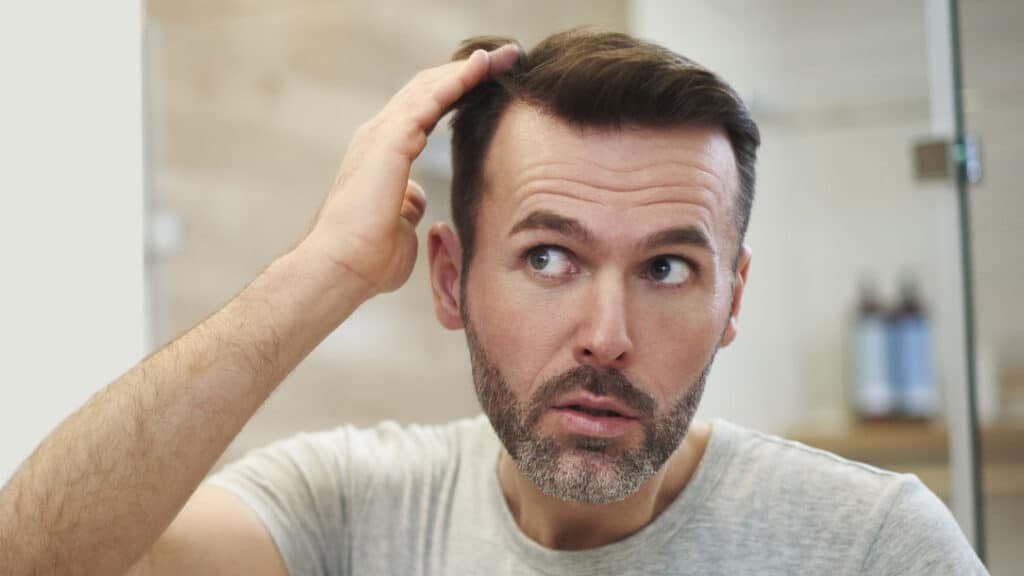
Here’s the straightforward answer: seborrheic dermatitis does not usually destroy hair follicles, but it can absolutely cause noticeable hair shedding and hair thinning in some people—especially during flares. If you’ve been watching more hairs circle the drain or noticing your ponytail feels thinner, your scalp inflammation may be the culprit.
The good news is that dermatitis and hair loss from this condition is typically non-scarring. This means your follicles remain alive and capable of producing hair once the inflammation, scaling, and intense itching are brought under control. Think of it as your hair growth cycle being temporarily disrupted rather than permanently damaged.
Heavy scale buildup, constant scratching, and chronic inflammation can weaken hair shafts and push hairs prematurely into the telogen (shedding) phase. During active flares, some patients report shedding 100-200 hairs daily compared to the normal 50-100. This increased hair shedding can feel alarming, but it’s typically reversible.
If your hair does not show signs of regrowth within 3-6 months after your seborrheic dermatitis is treated successfully, it’s time to look deeper. A dermatologist should evaluate for additional causes such as male or female pattern hair loss, thyroid disease, or iron deficiency. Rare cases of long-standing, severe seborrheic dermatitis that goes untreated can contribute to more persistent thinning, so early intervention matters.
What Is Seborrheic Dermatitis?
Seborrheic dermatitis is a chronic, relapsing form of eczema (sometimes called seborrheic eczema) that targets oil-rich areas of the body. The most common affected areas include the scalp, sides of the nose, ears, eyebrows, chest, and upper back—anywhere your sebaceous glands are most active.
In adults, this skin condition typically first appears between the late teens and mid-40s. In infants, it shows up as cradle cap—those characteristic yellowish, crusty patches on a baby’s scalp. Importantly, seborrheic dermatitis is not contagious and is not caused by poor hygiene.
At Smart Skin Dermatology, seborrheic dermatitis is grouped with other inflammatory rashes and discoloration conditions. Diagnosis is usually clinical, meaning a dermatologist can identify it based on the appearance and distribution of the rash without requiring biopsies or special tests.
You might describe your symptoms as “stubborn dandruff that won’t quit,” “greasy scales along my hairline,” or “a red, flaky rash around my nose and eyebrows.” These everyday descriptions capture exactly what seborrheic dermatitis appears like to most patients.
Why Does Seborrheic Dermatitis Happen?
The exact cause involves multiple factors working together: skin oil (sebum), naturally occurring yeast on the skin, and your immune system. People with seborrheic dermatitis are not “dirty” or “infected”—this is simply how their skin responds to normal conditions.
The Role of Malassezia Yeast
Malassezia is a lipophilic yeast that naturally lives on everyone’s skin. In susceptible individuals, this naturally occurring yeast can overgrow in oily areas and trigger inflammation. When Malassezia metabolizes sebum, it produces irritant fatty acids that can provoke an exaggerated immune response in some people.
Sebum and Oil Production
Excessive sebum production creates an ideal environment for Malassezia proliferation. This explains why seborrheic dermatitis often worsens during puberty, early adulthood, and other hormonal states when oily skin and greasy skin are more common. The relationship between sebaceous glands activity and yeast overgrowth is central to understanding this condition.
Key Risk Factors
Several environmental and genetic factors increase your risk of developing seborrheic dermatitis:
| Risk Factor | How It Contributes |
| Family history | Genetic predisposition to dandruff or dermatitis |
| Neurologic conditions | Parkinson’s disease increases prevalence to over 50% |
| Immune compromise | HIV and other conditions reduce ability to regulate yeast |
| Stress | Elevates cortisol and sebum production |
| Cold/dry weather | Triggers seborrheic dermatitis flares in many patients |
| Certain medications | Lithium and other drugs can worsen symptoms |
The Smart Skin Dermatology framework views dermatitis broadly as skin inflammation from multiple triggers—irritant, allergic, infectious, or idiopathic. Seborrheic dermatitis falls into the “idiopathic, inflammatory” category with strong yeast and sebum components.
Common Symptoms of Seborrheic Dermatitis (Including Hair-Related Signs)
The symptoms of seborrheic dermatitis can range from mild dandruff to thick, inflamed plaques that temporarily thin the hair. Understanding what to look for helps you determine whether this condition might explain your scalp issues.
Typical Scalp Symptoms
- Persistent flaking skin with white or yellow scales
- Redness along the hairline and scalp
- Greasy patches or waxy-looking areas
- Itchy scalp with burning sensations
- Scaly patches that may spread beyond the hairline
Hair-Related Signs
When it comes to seborrheic dermatitis and hair, you might notice:
- Increased shedding in the shower or on your pillow
- Hair that feels less dense in inflamed areas
- Hair breakage near the scalp from scratching
- Dead skin cells and flakes caught in hair strands
Notably, seborrheic dermatitis does not typically create smooth, shiny bald patches. If you’re seeing those, it suggests scarring alopecia or another diagnosis that warrants immediate evaluation.
Non-Scalp Affected Areas
Seborrheic dermatitis commonly appears beyond the scalp:
- Eyebrows and the skin between them
- Sides of the nose and nasolabial folds
- Inside and behind the ears
- Beard area in men
- Chest and upper back
- Areas where diaper rash occurs in infants
This pattern helps distinguish seborrheic dermatitis from conditions like psoriasis (which often affects elbows and knees), tinea capitis (a fungal infection causing distinct bald patches with broken hairs), or contact dermatitis from hair products causing skin irritation.
How Exactly Can Seborrheic Dermatitis Lead to Hair Loss?
Multiple overlapping mechanisms—not a single factor—connect seborrheic dermatitis to hair shedding. Understanding these pathways helps explain why treating the underlying condition is so effective at supporting hair regrowth.
Chronic Inflammation Disrupts the Hair Growth Cycle
When chronic inflammation persists around hair follicles, it can shorten the anagen (growth) phase and trigger telogen effluvium—a type of diffuse shedding that may seem sudden. Research shows that oxidative stress from elevated lipid peroxidation damages follicular cells and can accelerate the shift into catagen (regression) or telogen (resting) phases.
Studies examining scalp surface samples from affected patients reveal markers of free radical damage that compromise follicular integrity. This chronic inflammatory skin condition creates conditions where natural hair growth obstructs natural and hair growth becomes compromised.
Scratching and Mechanical Trauma
Excessive scratching does more than just feel satisfying in the moment—it causes real damage:
- Mechanically traumatizes follicles
- Dislodges hairs that were still in the growth phase
- Can lead to folliculitis (inflamed, infected follicles)
- Creates hair breakage near the scalp surface
- Worsens skin thinning in already sensitive skin
Scale Buildup Suffocates the Scalp
Heavy, adherent scale can “suffocate” the scalp environment. Thick buildup:
- Traps yeast and irritants against the skin
- Creates a hypoxic microenvironment around follicles
- Makes hairs more likely to be pulled out when combing or washing
- Interferes with topical treatments reaching the affected skin
Coexisting Conditions Compound the Problem
Seborrheic dermatitis often coexists with other types of hair loss. Pattern hair loss, stress-related shedding, postpartum telogen effluvium, and other conditions can make thinning more obvious when combined with seborrheic dermatitis flare ups. This overlap sometimes makes it harder to identify what’s causing what—another reason professional evaluation helps.
Is Hair Loss from Seborrheic Dermatitis Permanent?
In the vast majority of cases, hair loss associated with seborrheic dermatitis is temporary and reversible once the condition is properly managed. This is one of the most reassuring aspects of treating seborrheic dermatitis effectively.
Seborrheic dermatitis is considered a non-scarring process. Your follicles remain present and can re-enter the growth phase when inflammation settles. The hair health of most patients improves significantly with appropriate treatment.
When to Be Concerned
Certain situations raise concern for more persistent thinning:
- Longstanding, severe seborrheic dermatitis left untreated for months or years
- Coexisting scarring alopecias like lichen planopilaris
- Use of harsh treatments or excessive heat on an already-inflamed scalp
- Symptoms worse despite consistent treatment attempts
Timeline for Regrowth
Once seborrheic dermatitis symptoms are controlled, here’s what to expect:
| Milestone | Typical Timeline |
| Reduced itching and flaking | 2-4 weeks |
| Decreased daily shedding | 4-8 weeks |
| Visible regrowth begins | 3-4 months |
| Full density restoration | 6-12 months |
These timeframes vary based on individual hair growth cycle length and how long the condition went untreated.
From the Smart Skin Dermatology perspective: don’t wait if you see progressive widening of your part line, receding temples, or smooth bald patches. Early evaluation distinguishes temporary seborrheic dermatitis cause hair shedding from conditions requiring different approaches.
Treatment Options for Seborrheic Dermatitis and Related Hair Shedding
Effective treatment has two interconnected goals: calm the dermatitis and protect the hair follicles. Practices like Smart Skin Dermatology create a personalized treatment plan based on rash severity, hair type, and medical history.
Managing seborrheic dermatitis typically combines several approaches rather than relying on a single product:
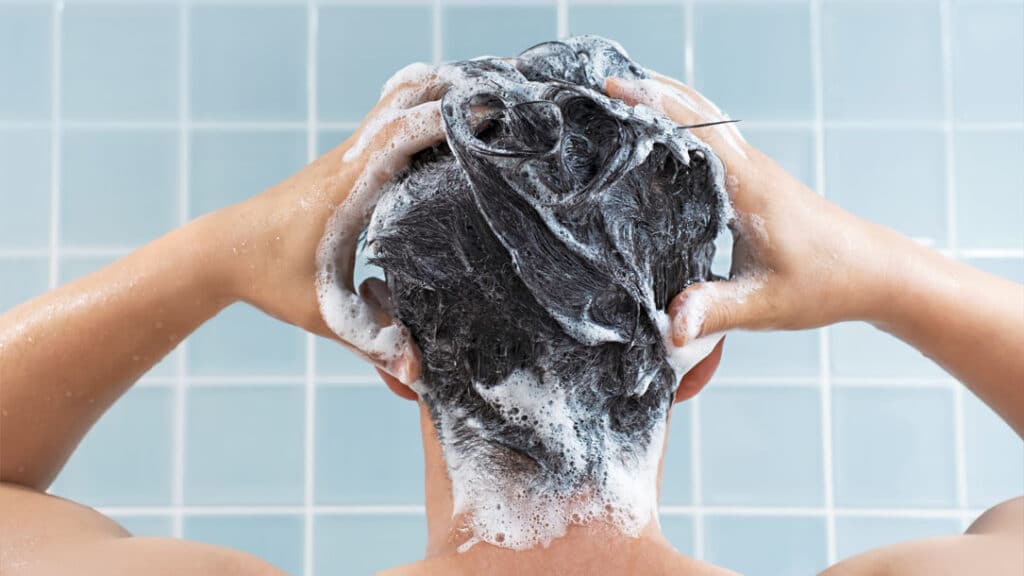
- Medicated shampoos to reduce yeast and scale
- Anti-inflammatory prescriptions to calm redness and swelling
- Antifungal treatments targeting Malassezia
- Gentle hair-care changes to avoid further trauma
Treatment durations vary—expect daily use for several weeks during active flares, then step-down maintenance. The exact frequency and strength should always be guided by a dermatologist, as overuse of topical corticosteroids on the scalp can cause skin thinning or worsen hair breakage.
One important expectation to set: improvement in itching and scaling often appears within 2-4 weeks, while visible hair-density improvements lag behind because of the natural hair growth cycle.
Over-the-Counter Medicated Shampoos and Products
OTC treatment options work well for mild to moderate cases. Here are the common active ingredients and what they do:
| Active Ingredient | Mechanism | Notes |
| Ketoconazole 1% | Antifungal agents targeting Malassezia | Available in dandruff shampoo formulations |
| Pyrithione zinc | Antifungal/antibacterial | Found in many zinc pyrithione shampoos |
| Selenium sulfide | Reduces yeast overgrowth | Effective for both dandruff and seborrheic dermatitis |
| Salicylic acid | Keratolytic (lifts scale) | Helps remove dead skin cells buildup |
| Coal tar | Slows skin cell turnover | Less commonly used due to smell and staining |
How to use OTC shampoos effectively:
- Apply several times weekly during active flares
- Leave lather on the scalp for 3-5 minutes before rinsing
- Taper to 1-2 times weekly for maintenance once controlled
- Alternate with a gentle, sulfate-free shampoo on non-treatment days
Be aware of possible side effects: dryness, irritation, or temporarily increased shedding as built-up scale loosens. Stop or switch products if you experience burning or worsening redness on sensitive skin.
For supporting products, look for gentle, fragrance-free conditioners, leave-in scalp tonics without alcohol, and soft brushes that reduce traction on fragile hairs. OTC shampoos are often enough for mild cases but typically insufficient for resistant or severe seborrheic dermatitis.
Prescription Topicals from a Dermatologist
When OTC options don’t provide adequate control, prescription treatments offer stronger solutions.
Prescription antifungal shampoos and foams (such as ketoconazole 2%) more powerfully reduce Malassezia on the scalp. Studies show these antifungal agents can reduce yeast counts by 70-90% within two weeks.
Topical corticosteroids in solutions, foams, or oils quickly reduce inflammation during flare ups. They’re highly effective for acute symptom relief but require monitoring to prevent side effects like skin thinning with prolonged use.
Non-steroid anti-inflammatory options provide alternatives for long-term management:
- Topical calcineurin inhibitors (tacrolimus, pimecrolimus)
- PDE4 inhibitors (roflumilast foam, FDA-approved December 2023)
- These modulate immune system pathways without steroid-related complications
Prescription treatments are particularly valuable for:
- Chronic, recurrent disease
- Sensitive areas like the face, ears, and hairline
- Patients who need long-term control without steroid risks
Smart Skin Dermatology and similar practices individualize combinations—for example, rotating an antifungal shampoo with a non-steroid anti-inflammatory foam to safely maintain control over months to years.
When Hair-Specific Treatments May Be Considered
For patients whose seborrheic dermatitis has unmasked or worsened other hair-loss conditions, a dermatologist may add hair-directed therapies after the scalp calms down.
These additional options might include:
- Topical minoxidil to support hair regrowth in pattern hair loss
- Oral medications when appropriate for the specific diagnosis
- Nutritional assessment (iron, vitamin D, thyroid testing) for diffuse shedding
- Low-level light therapy in some cases
These treatments don’t treat seborrheic dermatitis itself but can help restore density once inflammation is controlled. The approach emphasizes coordinated care: scalp health first, then support for the hair growth cycle, with regular follow-up to monitor response.
Daily Scalp Care and Lifestyle Tips to Protect Your Hair
Consistent, gentle habits can significantly reduce seborrheic dermatitis flares and minimize hair shedding over time. Think of this as preventive maintenance for your scalp.
Washing Routines
Most people with seborrheic dermatitis benefit from washing the scalp regularly—at least several times per week with a medicated shampoo during flares. On alternating days, use a gentle, sulfate-free shampoo to avoid over-drying.
Key washing tips:
- Use lukewarm (not hot) water
- Apply shampoo directly to the scalp, not just the hair
- Massage gently with fingertips, not nails
- Rinse thoroughly to remove all product residue
Gentle Handling Techniques
How you treat your hair matters as much as what products you use:
- Blot rather than rub with a towel after washing
- Use wide-tooth combs on wet hair
- Limit tight hairstyles (ponytails, braids, buns) that pull on inflamed follicles
- Avoid vigorous brushing that can trigger inflammation
Product Choices
What to avoid:
- Heavy oils and pomades on the scalp that may trap yeast
- Alcohol-based sprays and gels that dry and irritate
- Heavily fragranced products on affected areas
- Harsh chemical treatments during active flares
What to choose:
- Fragrance-free or hypoallergenic formulas
- Lightweight, water-based styling products
- Products designed for sensitive skin
Managing Triggers
Several factors can make symptoms worse:
- Stress: Known to trigger many inflammatory skin conditions. Consider stress-management strategies like adequate sleep, regular exercise, and mindfulness practices.
- Weather: Cold temperatures and low humidity often worsen symptoms. Use humidifiers during winter and apply gentle emollients around the hairline.
- Diet: While no specific diet cures seborrheic dermatitis, some patients report fewer flares when they limit alcohol, sugar and processed foods. Focus on a balanced, anti-inflammatory eating pattern rather than extreme restrictions.
- Irregular treatment: Stopping medicated shampoo once symptoms improve often leads to rapid recurrence. Maintain a consistent routine.

When to See a Dermatologist (and What to Expect at Smart Skin Dermatology)
Knowing when to seek professional care can prevent unnecessary suffering and catch problems early.
Signs You Should Schedule an Appointment
- Scalp flaking that doesn’t improve with OTC shampoos after 4-6 weeks
- Intense itching or burning that disrupts sleep or daily activities
- Visible hair thinning or increased shedding
- Bleeding, crusting, or oozing from the scalp
- Involvement spreading to face, chest, and ears
- Severe symptoms affecting quality of life
What Happens During Your Visit
A dermatologist visit typically includes:
- Careful examination of your scalp and skin
- Medical history review including medications and chronic disease conditions
- Dermoscopy (magnified scalp examination) to distinguish seborrheic dermatitis from psoriasis, tinea capitis, and other conditions
- Discussion of symptoms, triggers, and previous treatments
Smart Skin Dermatology uses a comprehensive dermatitis approach—identifying whether irritant, allergic, infectious, or other mechanisms contribute. They may recommend patch testing or lab work if another type of dermatitis or systemic condition is suspected.
Your Personalized Treatment Plan
Based on the evaluation, your plan might include:
- Specific medicated shampoo recommendations (like those containing selenium sulfide or pyrithione zinc)
- Prescription topical treatments for resistant areas
- Flare-management instructions
- A maintenance schedule tailored to your hair type and lifestyle
- Guidance on treating seborrheic dermatitis alongside other conditions
Follow-up visits allow your dermatologist to adjust treatment, track hair regrowth, and address new or changing symptoms. Long-term partnership with a dermatologist significantly improves control and quality of life for this chronic disease.
Frequently Asked Questions
Will shaving my head help my seborrheic dermatitis and hair loss?
Shaving can make applying medicated products easier and may temporarily reduce scale buildup by eliminating hair that traps flakes. However, shaving does not cure seborrheic dermatitis or prevent it from returning. The underlying inflammation and yeast overgrowth still require treatment with appropriate topical treatments and antifungal agents. If you prefer keeping your hair, you can absolutely manage seborrheic dermatitis effectively without shaving.
Can seborrheic dermatitis turn into psoriasis or another serious disease?
Seborrheic dermatitis does not “turn into” psoriasis. However, some people have both conditions simultaneously—an overlap sometimes called “sebopsoriasis”—which requires tailored treatment addressing both. Seborrheic dermatitis is not a sign of skin cancer or internal organ damage. While it’s associated with seborrheic dermatitis that certain neurologic and immune conditions increase risk, the rash itself is a localized inflammatory process, not a systemic disease.
Is there a special diet that cures seborrheic dermatitis or its hair loss?
No specific diet has been proven to cure seborrheic dermatitis. That said, some patients report fewer seborrheic dermatitis flare ups when they limit alcohol, very sugary foods, or highly processed foods. A balanced, anti-inflammatory eating pattern emphasizing vegetables, lean proteins, and healthy fats may support overall skin health. Staying well-hydrated also helps. Avoid extreme elimination diets, which rarely help and may cause nutritional deficiencies.
Can coloring, relaxing, or perming my hair make seborrheic dermatitis worse?
Harsh chemical processes can definitely irritate the scalp, trigger inflammation, and increase breakage—especially when dermatitis is already active. The chemicals may cause additional skin irritation on sensitive skin and potentially worsen flare ups. It’s best to postpone major chemical treatments until your scalp is calm. When you’re ready to proceed, discuss timing with your dermatologist and work with an experienced stylist who can take precautions to protect your scalp.
How long should I keep using medicated shampoos once my scalp looks better?
Because seborrheic dermatitis is chronic and tends to return when all treatment stops, most dermatologists recommend ongoing maintenance use rather than stopping completely. Intermittent use—typically once or twice weekly—often prevents recurrence effectively. Your specific schedule should be guided by your dermatologist based on your pattern of flare ups. Think of maintenance treatment like brushing your teeth: consistent habits prevent problems from returning.
Ready to get your scalp health under control? If over the counter products haven’t resolved your seborrheic dermatitis after 4-6 weeks, or if you’re concerned about hair thinning, consider scheduling an evaluation with a dermatologist. At Smart Skin Dermatology, personalized treatment plans address both the inflammation and your hair concerns—helping you reduce inflammation, support hair regrowth, and regain confidence in your scalp and hair health.
Schedule your consultation today at Smart Skin Dermatology.

Liz is a board-certified Family Nurse Practitioner with a passion for providing comprehensive dermatological care. She takes pride in her ability to competently treat patients of all ages, from pediatrics to geriatrics. Liz particularly enjoys developing preventative skin care regimens to help patients maintain healthy skin throughout their lives. Liz is a skilled communicator and a compassionate provider who strives to build long-lasting relationships with her patients.