Steroid Cream Side Effects for Eczema: How to Use Them Safely and Avoid Skin Thinning
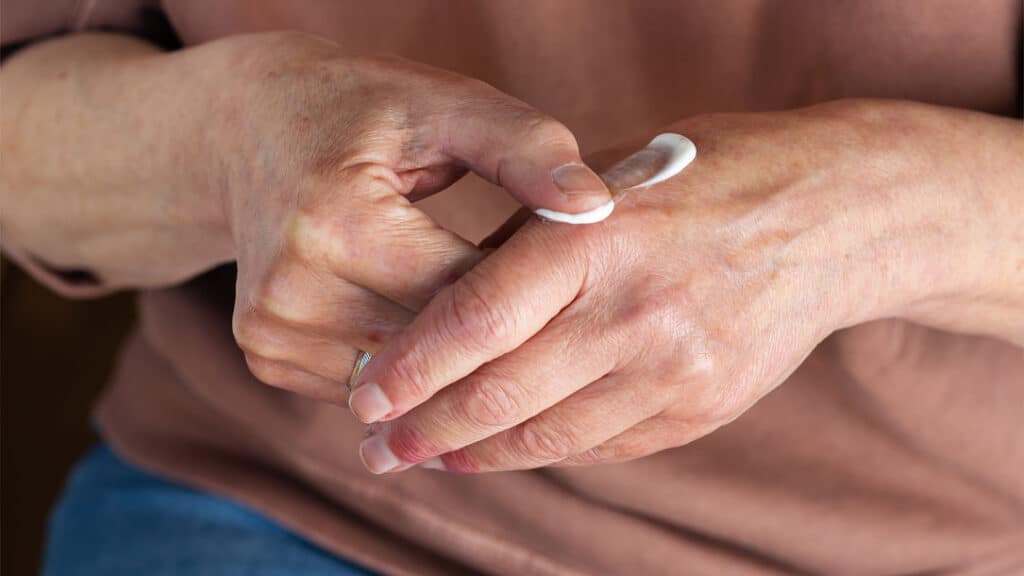
Steroid creams have been helping people with eczema for many years. They are very good at calming down the redness and itching that come with eczema. But, it’s important to use them the right way. Using steroid creams for too long or using a strong one on delicate skin can cause side effects like thinning skin, stretch marks, or color changes. Inappropriate use, such as applying high-potency creams without medical supervision or on sensitive areas, increases the risk of these side effects.
Eczema, especially atopic dermatitis, affects many people—about 20–30% of children and 10% of adults worldwide. It can happen because the skin’s barrier is weak or irritated and the immune system overreacts, causing dryness, redness, and itching. Managing eczema well means using treatments carefully and learning how to care for your skin.
This article explains why doctors prescribe steroid creams, how the strength of the cream and where you put it on your body can affect side effects, what to watch out for, and simple tips to use these creams safely. While this article highlights the proper application and adverse effects of topical corticosteroids due to their common role in eczema care, it does not substitute for professional medical guidance. Since each individual’s skin needs differ, maintaining close communication with your healthcare team is essential to identify the right treatment balance and ensure long-term dermatological health.
Introduction to Eczema Treatment
Eczema, also known as atopic dermatitis, is a long-lasting skin condition that causes inflammation, itching, and dryness. Managing eczema often involves a combination of daily skincare and medication. One of the most common treatments is the use of topical corticosteroids, such as hydrocortisone cream. These medications help reduce inflammation and relieve uncomfortable symptoms, making it easier for the skin to heal.
However, it’s important to use topical steroids carefully. Prolonged use of high potency topical corticosteroids can lead to problems like topical steroid addiction, topical corticosteroid withdrawal, and other systemic adverse effects. That’s why the National Eczema Association and healthcare professionals recommend using the lowest effective strength for the shortest possible time. Always follow your doctor’s instructions and never use more than prescribed. This approach helps control eczema symptoms while reducing the risk of side effects from steroids.
By understanding the role of topical corticosteroids in treating eczema and being aware of their potential adverse effects, patients and caregivers can make informed decisions about their treatment. Remember, the goal is to keep inflammation under control and maintain healthy skin without unnecessary risks.
Investigation and Diagnosis
Diagnosing eczema and creating an effective treatment plan starts with a thorough evaluation by a healthcare professional. This usually includes a detailed medical history, a physical examination of the skin, and sometimes laboratory tests to rule out other skin conditions. To ensure safe and accurate use of topical steroids, doctors often use the fingertip unit method to guide how much cream or ointment should be applied to the affected area. This helps minimize the risk of adverse effects from overuse.
In some cases, patch testing may be recommended to identify specific allergens or irritants that could be triggering eczema flare-ups. This is especially helpful for patients whose symptoms are not improving with standard treatment. Research published in respected journals like the New England Journal of Medicine, as well as systematic reviews, provide valuable guidance on the diagnosis and management of eczema, including the use of topical glucocorticosteroids and superpotent topical steroids such as clobetasol propionate.
By following evidence-based recommendations and tailoring the treatment plan to each patient’s needs, healthcare professionals can help manage eczema effectively while minimizing the risks associated with the use of topical steroids.
Why Do Doctors Prescribe Steroid Creams for Eczema?
Eczema is an inflammatory skin problem. In atopic dermatitis, the immune system releases chemicals that cause redness, swelling, and itching. The skin also has trouble keeping moisture in and protecting itself.
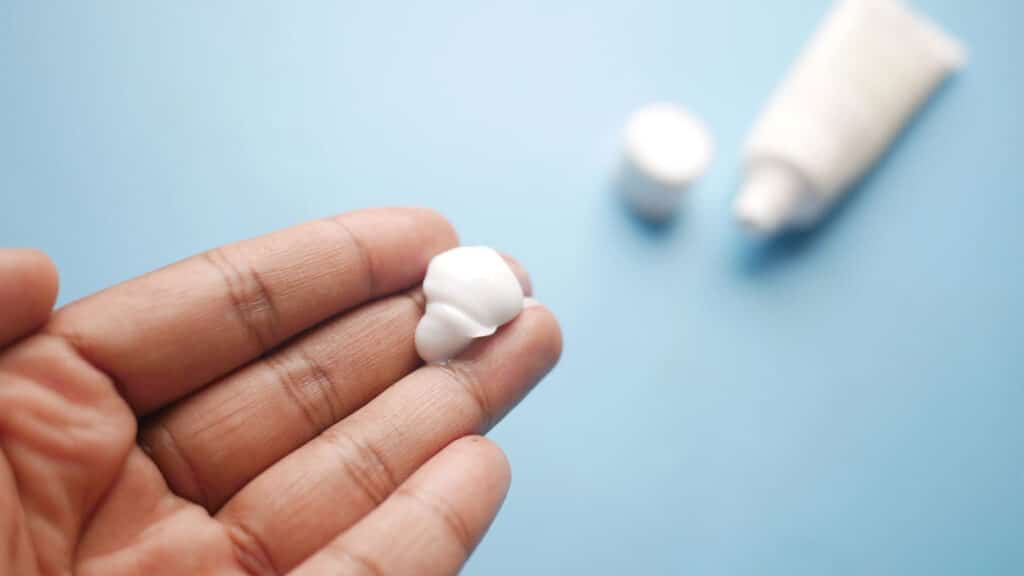
Steroid creams work by calming down this inflammation. When applied, the steroid reduces the chemicals causing redness and itching, helping the skin heal.
Doctors usually suggest steroid creams when:
- Moisturizers and avoiding triggers are not enough to control eczema
- You need quick relief during a flare-up
- The eczema is moderate to severe and causing discomfort
Guidelines recommend:
- Using the mildest steroid cream that works for the area you are treating
- Applying it for the shortest time needed to clear the flare
- Slowly switching to a weaker cream or stopping once the skin gets better
Besides steroid creams, other options like moisturizers, non-steroid creams (like tacrolimus or pimecrolimus), and medicines for severe eczema are also available.
Understanding Steroid Cream Strength: Low, Medium, and High
Steroid creams come in different strengths, which affect how well they work and the chance of side effects.
In the US, steroids are grouped into seven classes, from strongest (Class I) to weakest (Class VII). For simplicity, we divide them into three groups: low, medium, and high strength.
Low Strength
- Examples: Hydrocortisone 1% (often over-the-counter), desonide 0.05%
- Best for: Sensitive areas like face, neck, skin folds, and children
- Least likely to cause side effects like skin thinning when used properly
Medium Strength
- Examples: Triamcinolone 0.1%, mometasone 0.1%, fluticasone 0.05%
- Used for: Moderate eczema on arms, legs, and body in adults and older kids
- Requires careful use and monitoring
High Strength
- Examples: Clobetasol propionate 0.05%, betamethasone dipropionate 0.05%
- For: Thick, stubborn eczema on palms, soles, or thickened skin mainly in adults
- Has the highest risk of side effects if not used correctly
The cream’s base (ointment, cream, gel) also affects how much steroid gets into the skin. Ointments usually let more steroid through than creams.
How Different Body Areas Affect Absorption
The amount of steroid absorbed depends on where you apply it because skin thickness varies. This process is known as percutaneous absorption, which refers to how topical corticosteroids penetrate the skin barrier. Factors such as skin condition, application site, and the formulation (vehicle) influence how much of the medication is absorbed into the body. Topical corticosteroids are applied directly to the skin and are intended for external use only.
Thin, Sensitive Areas
- Face, eyelids, neck, genitals, armpits, groin, skin folds, diaper area in babies
- Skin here is very thin, so steroids absorb 10 to 30 times more than on arms
- Using strong steroids here can quickly cause side effects like thinning skin
Normal Thickness Areas
- Arms, legs, trunk, back, chest
- Most guidelines are based on safe use in these areas
Thick Skin Areas
- Palms, soles, heels, scalp with thick scales
- Skin is thick, so you need stronger steroids for them to work
Other factors increasing absorption include covering the area with bandages or diapers, damaged skin, and using ointments.
Children absorb more steroid because their skin surface is larger compared to their body weight.
Possible Side Effects
When used as directed, side effects are uncommon. But it’s good to know what to watch for.
Local Side Effects
- Skin thinning (atrophy): steroid creams for eczema can cause skin thinning, stretch marks, easy bruising, spider veins, acne, and increased skin infections when used long-term or at high potency.
- Stretch marks and visible small blood vessels
- Changes in skin color (lighter or darker patches)
- Increased hair growth in treated areas
- Rash around the mouth (perioral dermatitis) with medium or strong steroids
- Slower healing and masking infections
- Skin infection: skin infections should be ruled out or diagnosed by a healthcare provider when evaluating skin-related issues.
- Rare allergic reactions to cream ingredients
Systemic Side Effects
Usually rare, but possible when using large amounts, strong steroids, or for a long time, especially in children.
- Serious side effects: can include cataracts, glaucoma, high blood sugar, and skin color changes.
- Adrenal suppression may occur with steroid use, which can lead to dizziness, low blood pressure, and fatigue.
- Suppression of the hypothalamic-pituitary-adrenal (HPA) axis and growth retardation in children can occur with systemic absorption.
- Iatrogenic Cushing’s syndrome and growth retardation in children have been reported with long-term use of potent topical corticosteroids.
- Children are more susceptible to systemic side effects from topical corticosteroids due to their larger skin surface-to-body mass ratios and enhanced percutaneous absorption.
- Prolonged use of topical corticosteroids can lead to suppression of the HPA axis, which may take months to recover after discontinuation.
- Osteonecrosis of the femoral head is a rare but serious complication of prolonged or high-dose steroid use.
- To minimize risks, use the lowest effective potency for the shortest duration necessary and follow a doctor’s tapering plan.
- Topical corticosteroids should not be used daily for more than two to four weeks; after this period, the frequency should be tapered to twice weekly use.
- It is important to follow a doctor’s instructions or the directions on the steroid cream packaging regarding how much to apply and how often to use it.
- Topical corticosteroids should be applied directly to an eczema rash and are for external use only; they should never be swallowed or placed inside the body.
- Topical corticosteroids can cause systemic side effects, particularly in children and the elderly due to enhanced absorption through the skin.
- Topical corticosteroids are also used for chronic plaque psoriasis and plaque psoriasis, and safety considerations are important in their management.
Topical Steroid Withdrawal (TSW)
Stopping steroid creams suddenly after long-term, daily use can cause TSW. Symptoms include burning, stinging, and bright red skin. Topical steroid withdrawal symptoms can occur within days to weeks after discontinuation of topical corticosteroids. The papulopustular variant of topical steroid withdrawal is associated with papules, nodules, and pustules. Consulting a healthcare provider is recommended for anyone experiencing symptoms of topical steroid withdrawal after stopping treatment.
Signs of severe topical steroid withdrawal reactions can include intense itching, peeling of the skin, or oozing open sores. Skin redness, burning sensations, and intense itching can occur after stopping the use of these creams. Withdrawal symptoms can occur days or weeks after stopping treatment, even after several months of use. Stopping topical corticosteroids should be done under medical supervision to prevent withdrawal symptoms and skin flare-ups.
It is important to consult healthcare professionals when stopping treatment to manage or prevent adverse reactions. A systematic review provides evidence-based information on topical corticosteroid withdrawal and addiction. Inappropriate use, such as misuse or overuse of topical corticosteroids, increases the risk of withdrawal or addiction.
TSW mostly happens in adults, especially women, who have used steroids daily for over a year on the face or genitals. If you notice worsening symptoms after stopping, see your doctor.
Special Considerations
When treating eczema, special care is needed for sensitive areas like the face, diaper area, and other thin skin areas. These parts of the body are more prone to side effects from topical corticosteroids, such as skin atrophy (thinning), intense itching, and other local side effects. For long-term management, weaker steroids like hydrocortisone are often preferred, while stronger steroids are reserved for short-term use in severe cases or on thickened skin.
Continuous treatment with topical steroids should be avoided unless specifically recommended by your healthcare professional. Overuse can lead to problems such as adrenal suppression, withdrawal reaction, and even systemic reactions in rare cases. It’s important for patients to be aware of possible side effects and to work closely with their doctor to develop a treatment plan that balances effective treatment with safety.
The eczema community encourages ongoing education and awareness to help patients recognize the signs of topical steroid addiction and other adverse effects. By staying informed and communicating openly with your healthcare team, you can reduce risks and achieve better outcomes when treating eczema, especially in sensitive or high-risk areas.
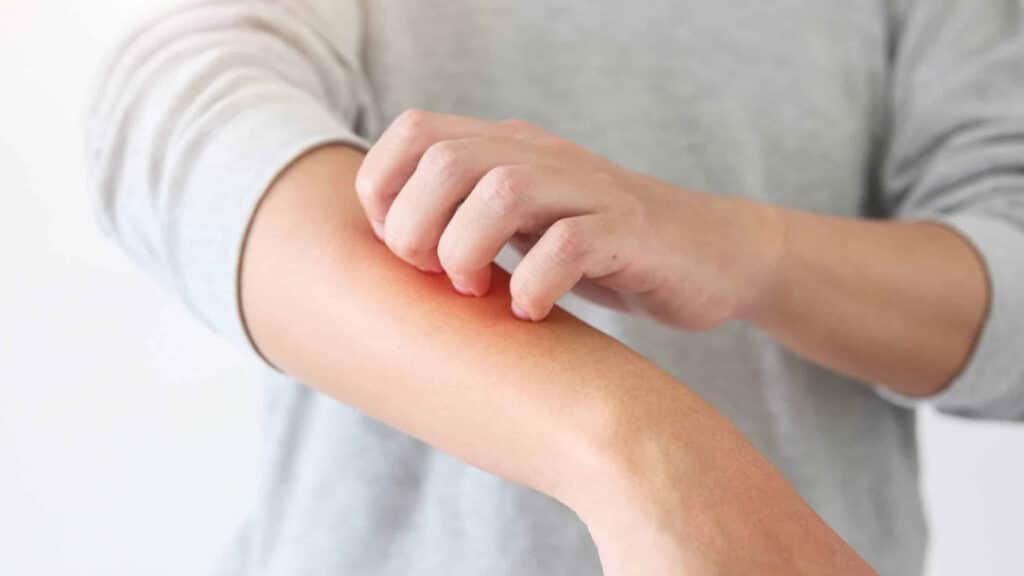
Safe Use Tips by Body Area and Strength
Here are general guidelines for how long you can safely use steroid creams continuously during flares:
| Body Area | Skin Type | Low Strength | Medium Strength | High Strength |
| Face, Eyelids, Genitals, Folds | Thin, sensitive | Up to 7 days | Up to 3 days (emergency use) | Avoid use |
| Arms, Legs, Trunk | Normal thickness | Up to 4 weeks | Up to 2 weeks | Up to 1 week |
| Palms, Soles, Scalp | Thick skin | Often not effective | Up to 4 weeks | Up to 2 weeks |
These are maximum times during flare-ups, not for ongoing use. After that, your doctor may suggest using steroids less often to keep eczema under control.
Additional Tips
- Only apply to eczema patches, not healthy skin
- Usually, once a day is enough
- Measure cream amounts using the fingertip unit (FTU) method
- Apply a thin, even layer
- Wash hands after applying unless treating your hands
- Use moisturizers regularly
- Avoid strong steroids on sensitive areas unless directed
- Don’t share your steroid cream with others
- Avoid covering treated skin unless your doctor says it’s okay
- Watch for signs like increased burning, spreading redness, oozing, or new stretch marks
Taking Care of Your Skin Beyond Steroids
Managing eczema is about more than just steroid creams. Using moisturizers, avoiding triggers, managing stress, and following your doctor’s advice all help keep your skin healthy.
In Summary
Steroid creams are a helpful tool for eczema when used carefully. Knowing about strengths, how skin thickness affects absorption, and how long to use them helps you avoid side effects.
Talk openly with your healthcare provider to create a treatment plan that fits your needs and keeps your skin comfortable and healthy.
If you have questions or concerns about your steroid cream use, don’t hesitate to reach out to your doctor or dermatologist.
Schedule your appointment today at Smart Skin Dermatology!

Dr. Smart is a board-certified dermatologist at Smart Skin Dermatology, and is dedicated to helping patients achieve their healthiest, most radiant skin. Dr. Smart combines his extensive training with a genuine passion for helping others. He takes a patient-centered approach, listening carefully to your concerns and creating individualized treatment plans that address your unique needs and goals. Whether you seek to address a specific skin condition, enhance your natural beauty, or simply maintain healthy skin, Dr. Smart offers the expertise, experience, and compassion you deserve.