What is Exosomes Treatment
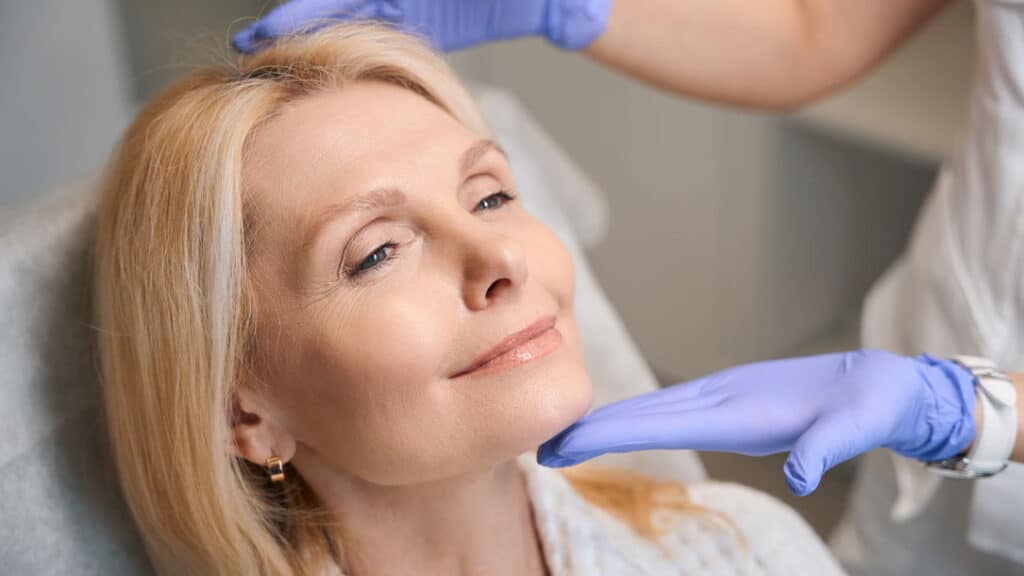
Regenerative medicine continues to evolve, and exosome-based treatments represent one of the newer approaches being explored in dermatology and aesthetic medicine. If you’ve been researching options for skin rejuvenation or hair restoration, you may have encountered claims about exosomes online or through social media. This article provides a medically accurate overview of what exosomes are, how exosome therapy works, and what the current evidence supports—so you can make informed decisions about your skin health.
Quick answer: What is exosomes treatment?
Exosome treatment is a form of regenerative therapy that uses tiny extracellular vesicles released by cells to support tissue repair and cellular regeneration. Unlike traditional stem cell therapy, exosome-based treatments are considered “cell-free” because they deliver signaling molecules rather than living cells into the body.
In dermatology and aesthetic medicine, exosome preparations are typically applied to the skin or scalp—often in combination with microneedling or after laser treatments—to support the body’s natural healing mechanisms and encourage regeneration. These applications aim to improve skin texture, accelerate wound healing, and promote hair growth, though results vary between individuals.
It’s important to understand that as of 2026, most exosome products marketed for skin, hair, or joint concerns are not FDA-approved drugs. They are considered experimental or “off-label” in the United States. Patients considering exosome treatments should evaluate these options in consultation with a board-certified dermatologist at Smart Skin Dermatology to understand what the therapy can realistically offer.
What are exosomes?
Exosomes are tiny extracellular vesicles, measuring approximately 30 to 150 nanometers in diameter, that are released by many different cell types throughout the body. Think of them as “messenger packages” that cells use for cell to cell communication—carrying biological molecules from one cell to another and influencing how recipient cells behave.
These vesicles contain a diverse cargo of bioactive molecules: proteins, lipids, mRNA, microRNA, growth factors, and other signaling molecules. When exosomes reach their target cells, they can transfer this genetic material and influence cellular processes ranging from inflammation to tissue regeneration.
Scientists once dismissed exosomes as cellular “debris” with no significant function. Today, they’re recognized as a key part of normal biological processes. Exosomes play roles in wound healing and tissue repair, modulation of immune responses and inflammation, communication between cells in the immune system, and coordination of regenerative signals after injury.
In clinical products used for aesthetic treatments, exosomes are usually isolated from cultured mesenchymal stem cells or other donor cell types. After collection, they undergo purification and are formulated as a solution, serum, or injectable preparation for medical use. The specific source—whether adipose tissue, bone marrow, or other mesenchymal stem cell populations—can influence the cargo profile and potential effects.
How does exosome therapy work?
When exosomes are delivered to skin or scalp tissue, their signaling molecules can encourage target cells—such as fibroblasts, keratinocytes, and hair follicle cells—to shift toward repair and regeneration. The basic concept is that exosomes work by transferring their cargo to influence how these cells function.
The mechanism can be understood in straightforward terms. First, exosomes bind to receptors on the surface of target cells. Next, they are taken up into the cell through a process similar to how cells absorb nutrients. Once inside, their RNA and protein cargo alters intracellular signaling pathways. The downstream effects can include increased collagen and elastin production, modulation of inflammation, improved cellular function, and support for tissue repair.
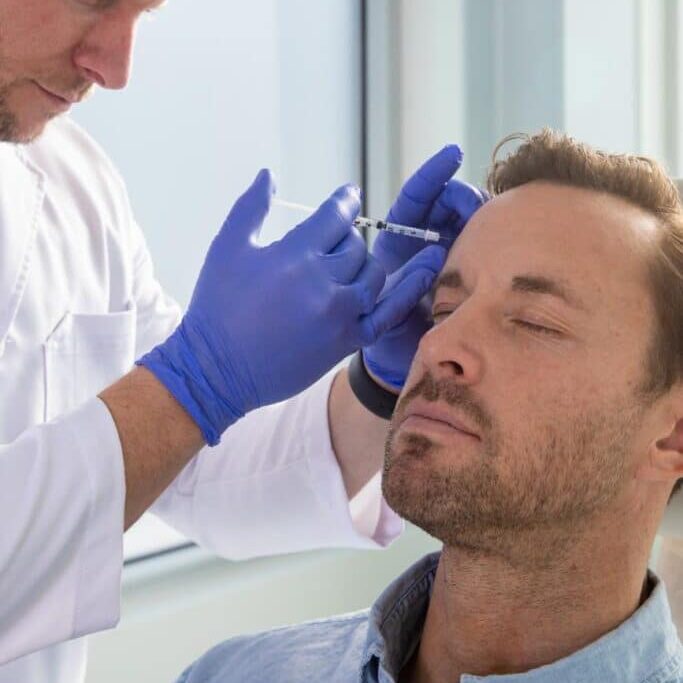
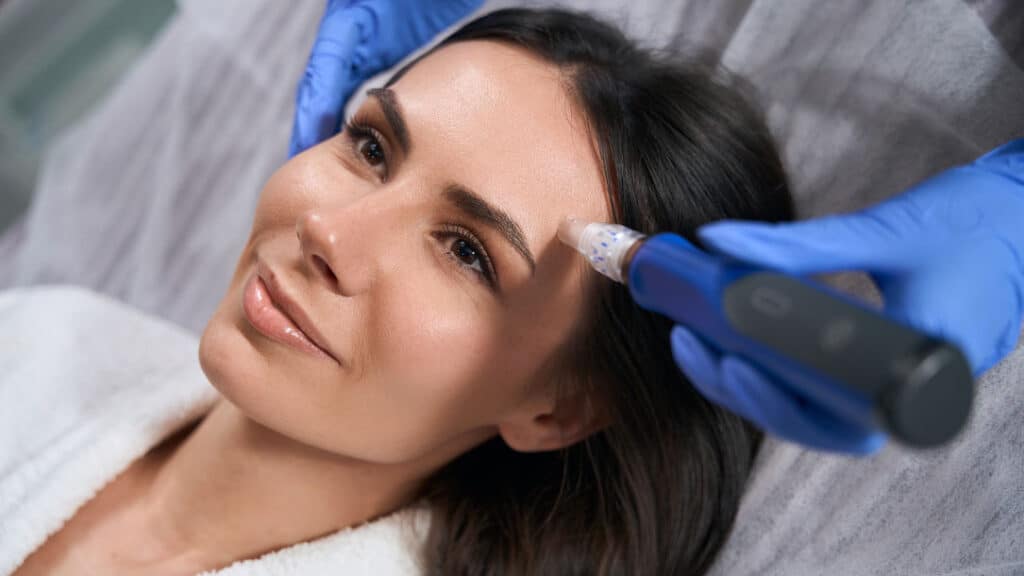
In aesthetic medicine, exosomes are typically delivered through one of several methods. They may be applied topically immediately after microneedling or fractional laser therapy, allowing them to penetrate deeper into the skin through the microchannels created by these procedures. Alternatively, they may be injected superficially in mesotherapy-style patterns across the face or scalp to target specific areas of concern.
It’s worth noting that most data supporting exosome therapy come from small clinical studies, laboratory research using cell cultures, and animal models. Large randomized controlled human trials are still limited, which means treatment protocols and expected outcomes continue to be refined as more evidence accumulates.
How are exosomes used in dermatology and aesthetic medicine?
Exosomes are currently being explored as an adjunct to established dermatologic procedures rather than as a stand-alone treatment. In most clinical settings, they’re used to enhance results from other therapies or support faster recovery after procedures.
Common aesthetic and dermatologic applications include:
- Skin rejuvenation of the face, neck, and décolletage, targeting concerns like uneven skin texture, fine lines, and mild laxity
- Post-procedure healing support after microneedling, fractional laser treatments, or chemical peels to accelerate wound healing and reduce inflammation
- Acne scars and atrophic scarring in combination with microneedling or laser for scar reduction
- Scalp applications for hair thinning or early androgenetic alopecia, aiming to promote hair growth and support follicle health
- Delicate areas such as under-eye skin for crepiness and mild dark circles
A typical in-office exosome treatment session involves several steps. After cleansing the treatment area, local anesthesia may be applied if needed. The primary procedure—such as microneedling or laser therapy—is performed, followed by topical application of the exosome solution or microinjections. The entire visit usually takes 30 to 60 minutes, with minimal downtime for most patients.
Be aware that home-use “exosome” skincare products sold online often contain exosome-inspired formulations or peptide blends. These may not be equivalent to medical-grade exosome preparations used in dermatology clinics, and their effects should not be assumed to match clinical treatments.
Potential benefits of exosome treatments
The potential benefits of exosome treatments are inferred from early clinical data, basic science research, and observations from practitioners using these therapies. Individual results vary considerably, and expectations should be calibrated to the current state of evidence.
Potential skin benefits include:
- Improved skin texture and reduction in fine lines through stimulating collagen and boost collagen production along with elastin production
- Enhanced wound healing and faster recovery after procedures, supporting the healing process
- Decreased redness and anti inflammatory properties that may benefit sensitive or reactive skin
- More even skin tone and mild improvement in hyperpigmentation when combined with other treatments
Potential hair-related benefits include:
- Thicker-appearing hair shafts and improved hair density
- Reduced shedding in some forms of early hair thinning, particularly when combined with other medical therapies such as minoxidil or oral medications
Benefits typically develop gradually over weeks to months rather than appearing overnight. This timeline is similar to other regenerative treatments and reflects the time required for cellular regeneration and tissue remodeling to occur.
The quality of evidence differs significantly by indication. There are more laboratory studies and small pilot trials than large, well-controlled studies, so it’s reasonable to approach these treatments with realistic expectations about what visible improvements you may see.
What conditions are commonly treated with exosomes?
Exosomes are being studied for a range of dermatologic and aesthetic indications, though they are not considered standard first-line therapy for most skin concerns.
Common aesthetic and dermatologic uses include:
- Photoaging: Sun-related wrinkles, roughness, and dullness affecting the face, neck, and hands
- Fine lines and early skin laxity: Particularly in patients in their 30s through 60s seeking non-surgical options to improve skin quality
- Acne scarring: Atrophic facial scars treated in combination with microneedling or laser treatments
- Post-procedure recovery: Healing support after fractional laser resurfacing, radiofrequency microneedling, or medium-depth chemical peels
- Early androgenetic alopecia: Male and female pattern hair loss, typically as an adjunct to standard hair restoration medical therapy
- Pigmentary concerns: Post-inflammatory hyperpigmentation and mild melasma, always alongside strict sun protection and other evidence-based treatments
Exosomes are also being investigated in systemic applications including orthopedics, neurology, and complex wound care, but this article focuses specifically on skin and hair applications relevant to dermatology patients.
Are exosome treatments FDA-approved?
As of 2026 in the United States, there are no FDA-approved exosome products for cosmetic skin rejuvenation, hair growth promotion, or most musculoskeletal indications. This regulatory status is important for patients to understand when evaluating these treatments.
The FDA currently classifies exosomes as human cell and tissue products (HCT/Ps) or biologic drugs, depending on how they are processed and marketed. The agency has issued multiple safety warnings about unapproved exosome therapies being marketed directly to consumers, particularly products making broad therapeutic claims without proper clinical evidence.
Key regulatory distinctions to understand:
- FDA-approved uses would require completion of rigorous clinical trials demonstrating safety and efficacy for specific clinical indications—this approval pathway has not yet been completed for aesthetic exosome products
- Off-label or investigational use describes how most aesthetic exosome treatments are currently offered: as cash-pay services without formal FDA clearance for these purposes
- Research settings may involve exosomes under investigational protocols, but this differs from widespread commercial availability
Regulatory status may evolve as more clinical data accumulate. Responsible clinics continuously monitor FDA guidance, state regulations, and recommendations from professional dermatology societies. At Smart Skin Dermatology, any use of exosome-based products is appropriately framed as investigational or regenerative rather than as an FDA-approved treatment.
Risks and safety considerations
Most reported side effects from exosome treatments involve mild, short-lived reactions at the treatment site. However, long-term safety data for many exosome products remain limited, which is an important consideration when weighing treatment options.
Common, typically mild local effects include:
- Mild redness, swelling, or bruising at treatment sites
- Temporary tenderness, itching, or dryness
- Short-term increased skin sensitivity after procedures like microneedling or laser therapy
More serious but less common concerns include:
- Infection or inflammatory reactions if products are not properly screened, purified, or handled under sterile conditions
- Theoretical risk of immune reactions or unwanted cellular stimulation, particularly with poorly characterized or unregulated products
- Potential for adverse reactions if exosomes are derived from diseased or senescent cells
Quality and sourcing considerations are significant:
- There is considerable variability between manufacturers in how exosomes are collected, processed, and tested
- Using products that follow current regulatory guidance and sterility standards is essential for minimizing risk
- The source of derived exosomes matters—exosomes derived from different cell types may have different effects and safety profiles
Patients with active skin infections, certain autoimmune conditions, history of keloids at the target site, pregnancy, or breastfeeding should be evaluated carefully and may be advised to defer treatment. A thorough consultation helps identify any factors that might increase risk.
How do exosome treatments compare to PRP and other regenerative options?
Exosomes and platelet rich plasma (PRP) are both regenerative approaches used in dermatology, but they differ in their biological origins and how they’re prepared.
Platelet-rich plasma (PRP):
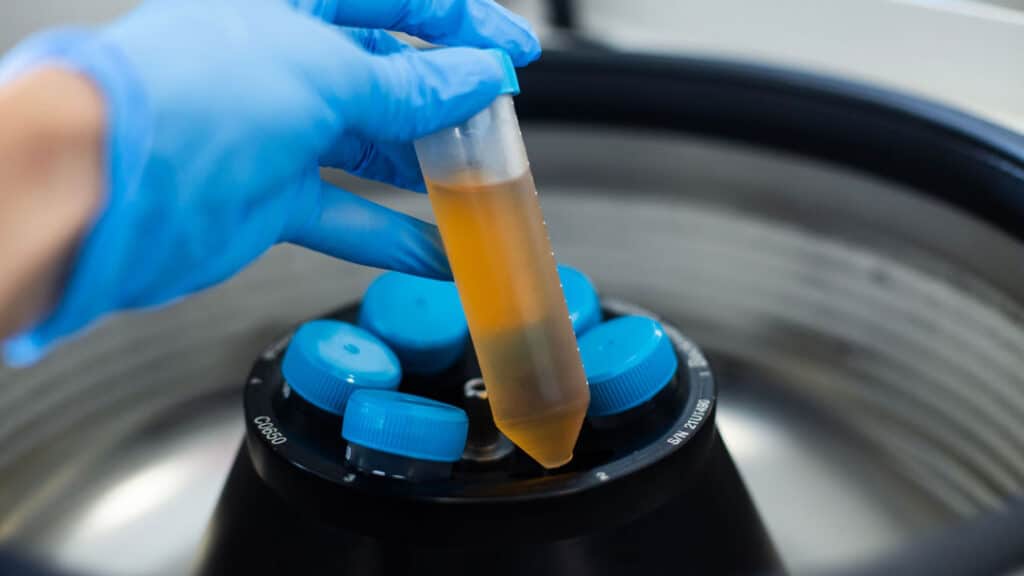
- Derived from the patient’s own blood via centrifugation (requires a blood draw)
- Contains platelets and growth factors that are released upon activation
- Has a longer clinical safety track record in dermatology for conditions including hair loss, scars, and skin rejuvenation
- Results can vary based on patient health, age, and platelet function
Exosome preparations:
- Typically derived from donor stem cells or other cultured cells, not from the treated patient
- Contain concentrated signaling molecules including some that overlap with PRP growth factors, but no living cells
- May offer more standardized dosing across treatments, though quality depends heavily on manufacturing processes
- No blood draw required, which some patients prefer
Comparative considerations from a dermatologist’s perspective:
| Factor | PRP | Exosomes |
| Source | Autologous (patient’s blood) | Allogeneic (donor cells) |
| Blood draw required | Yes | No |
| Immunologic risk | Very low (own tissue) | Low but not zero |
| Standardization | Variable by patient | Potentially more consistent |
| Long-term safety data | More established | Limited |
| Regulatory status | Devices FDA-cleared | Products not FDA-approved |
| Cost | Moderate | Often higher |
Some practices combine PRP and exosomes in the same treatment session, hypothesizing that the combination may enhance results compared to other treatments alone. However, robust comparative studies are still limited, and there is no consensus on whether one approach is clearly superior to the other for specific indications.
Who may be a good candidate for exosome treatment?
Determining candidacy for exosome treatment requires individualized assessment. These therapies are typically considered adjunctive—meaning they complement rather than replace foundational skin care and evidence-based treatments.
Characteristics of potential good candidates:
- Adults with mild to moderate photoaging who already follow core skin health measures including sun protection and topical retinoids when tolerated
- Patients with early hair thinning who are willing to combine exosome therapy with evidence-based treatments like minoxidil or oral medications
- Individuals seeking incremental, natural-appearing improvements aligned with concepts of natural beauty rather than dramatic, immediate transformation
- Patients who understand the experimental nature of treatment and are comfortable with uncertain long-term data
- Those who have realistic expectations about what invasive procedures versus regenerative therapies can achieve
Those who may not be ideal candidates:
- Pregnant or breastfeeding patients (precautionary avoidance due to lack of safety data)
- People with active skin infections, uncontrolled inflammatory skin disease, or history of poor wound healing or keloids at the target site
- Individuals expecting “facelift-level” tightening or permanent hair regrowth from exosomes alone
- Patients seeking dermal fillers-type immediate volume correction, which exosomes do not provide
- Those unwilling to commit to multiple factors including maintenance sessions and complementary treatments for optimal results
When to consult a dermatologist about exosome therapy
Anyone considering exosome therapy for skin concerns or hair restoration should first have a comprehensive evaluation with a board-certified dermatologist. This consultation ensures you receive accurate information about what these treatments can realistically offer and whether they’re appropriate for your specific situation.
Consider scheduling a consultation if you are:
- Considering exosomes after hearing about them online, through social media, or from friends and want objective medical perspective
- Planning laser treatments, microneedling, or hair-loss treatments and wondering whether exosomes should be added to your protocol
- Managing a complex medical history, autoimmune disease, or history of skin cancer and needing individualized risk assessment
- Interested in regenerative medicine approaches but want to understand how they compare to established options
What a dermatologist can provide:
- Confirmation of your primary diagnosis (for example, distinguishing melasma from other pigment disorders, or telogen effluvium from pattern hair loss)
- Review of established, evidence-based treatment options that should typically be tried first
- Discussion of where exosomes might reasonably fit into a stepwise treatment plan
- Honest assessment of costs versus expected benefit based on current evidence
- Guidance on modulate immune responses and how to utilize exosomes safely if you choose to proceed
At Smart Skin Dermatology, our team can help you evaluate whether regenerative treatments—including exosome-based therapies—are appropriate for your skin or hair concerns and long-term goals. Schedule a consultation to discuss your options with a board-certified dermatologist who can provide personalized guidance based on your unique needs and the most current clinical evidence.

Gracie is a Registered Nurse and Cosmetic Nurse Specialist with a deep-rooted history at Smart Skin Dermatology. Before earning her nursing degree, she spent four years working side-by-side with Dr. Smart as his personal Medical Assistant, gaining an intensive clinical foundation in skin health. After completing an elite cosmetic training and shadowing program under Dr. Smart’s mentorship, she now specializes in creating comprehensive, artistic treatment plans for her patients. Having experienced dermatology as a patient, a medical assistant, and now a provider, Gracie offers a unique 360-degree perspective that prioritizes patient education and natural, refined results.