Does Birth Control Cause Acne Breakouts? A Dermatologist’s Perspective
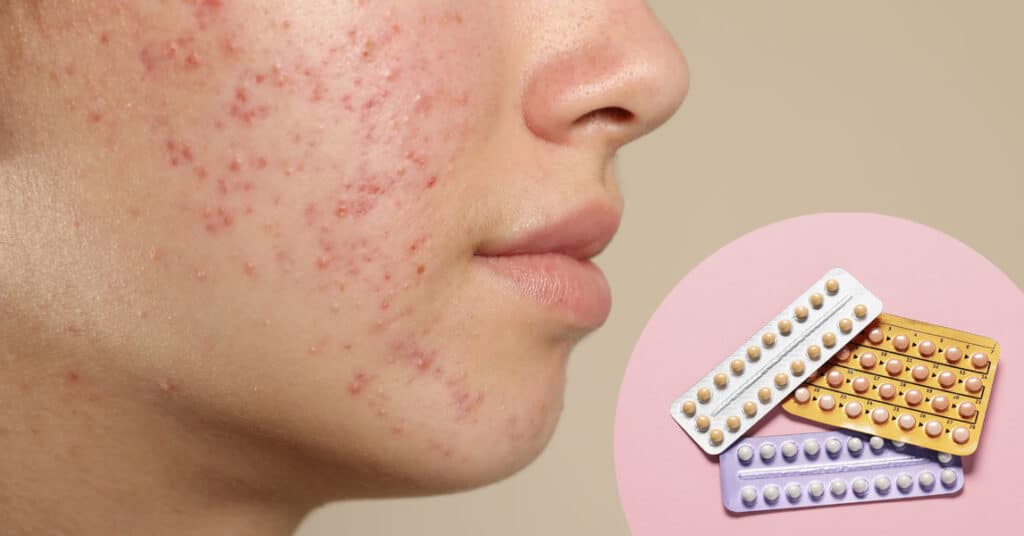
If you’ve ever noticed your skin acting up after starting a new contraceptive—or watched your complexion clear up when switching to a different one—you’re not imagining things. The relationship between birth control and acne is real, complex, and highly individual. This guide breaks down exactly which birth control methods tend to help, hurt, or have no effect on your skin.
Quick Answer: Which Birth Control Types Help or Hurt Acne?
Here’s the bottom line: not all contraceptives affect your skin the same way. Some hormonal birth control options tend to worsen acne breakouts, some are essentially acne-neutral, and others often improve acne over time. Understanding these categories can help you have a more informed conversation with your healthcare provider.
Will probably make acne worse: Hormonal IUDs (Mirena, Kyleena, Liletta, Skyla), the Nexplanon implant, and Depo-Provera shots.
Acne-neutral: Copper IUDs (ParaGard).
Will probably make acne better: Specific combined birth control pills like Yaz and Sprintec (and their common generics such as Nikki, Gianvi, and Mono-Linyah).
Important disclaimer: Acne should rarely be the only factor when choosing birth control. Your pregnancy prevention needs, medical history, blood clots risk, and overall health considerations may be far more important than skin concerns. This article is written from a dermatologist perspective—not as a replacement for guidance from your OB/GYN or primary care provider.
How Birth Control and Hormones Influence Acne
To understand why some contraceptives cause acne while others help clear skin, you need to understand hormonal acne itself.
Hormonal acne develops when androgens (hormones like testosterone) stimulate your sebaceous glands to produce excess sebum—an oily substance that can mix with dead skin cells and clog pores. This creates the perfect environment for bacteria to thrive and inflammation to develop. Hormonal acne typically shows up along the jawline, chin, and lower face, though it can also appear on the chest and back.
Here’s how the two main hormone types in contraceptives affect your skin:
- Estrogen tends to improve acne by reducing sebum production and dampening androgen activity. It also increases sex hormone-binding globulin (SHBG), which binds up free testosterone so it can’t wreak havoc on your oil glands.
- Progestins are more complicated. Some progestins have “androgenic” properties—meaning they can act like testosterone in your body and potentially increase oiliness and trigger acne flare ups. Others are “anti-androgenic” and may actually help reduce breakouts.
This is why the type of birth control matters so much:
- Combined hormonal methods (estrogen + progestin): Most birth control pills, the patch, and the ring fall into this category. The estrogen component often helps counterbalance any androgenic progestin effects.
- Progestin only methods (no estrogen): The mini pill, implants, Depo-Provera shots, and hormonal IUDs contain only progestin. Without estrogen to offset androgenic activity, these methods are more likely to worsen acne in susceptible individuals.
Keep in mind that individual responses differ dramatically. The same pill that gives your friend clear skin might trigger unwanted breakouts for you. Genetics, baseline hormone levels, and androgen receptor sensitivity all play a role in how your skin responds to any given method.
Birth Control Methods That Commonly Worsen Acne
At Smart Skin Dermatology, we most often see new or worsening acne with certain progestin-only contraceptives. If you’ve recently started one of these methods and noticed your skin acting up, you’re not alone—and there’s a biological reason behind it.
- Hormonal IUDs (Mirena, Kyleena, Liletta, Skyla): These levonorgestrel-releasing devices deliver progestin directly to the uterus. While systemic hormone levels are relatively low compared to pills, they’re still enough for some people to notice jawline, chin, and even back acne. Research shows hormonal IUD users are more likely to report new acne or need intensified acne treatment compared to those on oral contraceptives.
- Depo-Provera (medroxyprogesterone) shots: This injectable contraceptive has been associated with acne in many users. Beyond skin effects, some patients also experience weight gain and irregular bleeding, which can indirectly affect skin health.
- Nexplanon (etonogestrel) implant: In dermatology practice, acne is one of the most common reasons patients request removal of this arm implant. The etonogestrel progestin has androgenic properties that can trigger or worsen inflammatory acne in those with acne prone skin.
- Progestin-only “mini pills”: Because these pills lack estrogen to balance out progestin effects, they may act more like androgens in oil glands for some people, leading to increased sebum production and clogged pores.
These methods remain excellent contraceptives and may be the ideal choice for patients who cannot use estrogen—such as those with a history of blood clots, migraine with aura, or smokers over 35. Acne is only one piece of the decision-making puzzle.
If you notice new or severe acne after starting one of these methods, document the timing carefully. Breakouts typically develop 4–12 weeks after insertion or your first shot. Bring this information to appointments with both your dermatologist and prescribing clinician to explore your options.
Birth Control That Is Mostly “Acne Neutral”
Some birth control methods don’t reliably help or hurt acne—they simply don’t interact with the hormonal pathways that influence your oil glands.
Copper IUDs (ParaGard) are the primary acne-neutral contraceptive device. Because they contain no hormones whatsoever, they have no direct effect on sebum production, testosterone levels, or hormonal fluctuations. Your skin on a copper IUD will essentially behave as it would without any hormonal contraception.
The trade-off? Copper IUDs can increase menstrual cramping and bleeding in many users. If you’re choosing this option specifically to avoid skin side effects, be prepared for potentially heavier periods in exchange for neutral skin impact.
Other acne-neutral options include:
- Barrier methods like condoms, diaphragms, and cervical caps
- Fertility awareness methods
- Spermicides (though these can cause skin irritation through direct contact)
If you notice skin changes around the time of copper IUD placement, they’re usually due to natural hormonal cycles, stress, dietary changes, or adjustments to your skin care routine—not the device itself. The copper IUD simply doesn’t have the hormonal machinery to directly cause acne or improve it.
Birth Control Options That Often Improve Acne (Yaz, Sprintec & Others)
Certain combination birth control pills are frequently used by dermatologists to help treat acne in teens and adults. In clinical trials, combined oral contraceptives reduced acne lesions by 30-50% compared to placebo—results comparable to oral antibiotics but sustainable long-term without antibiotic resistance concerns.
Here’s how combined pills work for acne:
- The ethinyl estradiol component lowers free testosterone and decreases oil production
- Specific progestins with low androgenic or anti-androgenic activity are more “skin friendly”
- The combination raises SHBG levels, which binds up androgens so they can’t stimulate sebaceous glands
Brand examples commonly used for acne in the U.S.:
- Yaz (drospirenone/ethinyl estradiol) and its generics (Nikki, Gianvi, Loryna): Drospirenone has spironolactone-like anti-androgenic properties. Studies show Yaz users had a 29% greater reduction in total lesions compared to placebo, with higher rates of “clear or almost clear” skin assessments.
- Sprintec (norgestimate/ethinyl estradiol) and Tri-Sprintec: Similar to the classic Ortho Tri Cyclen historically prescribed by dermatologists. Norgestimate is considered a low-androgenic progestin that works well for many patients with hormonal acne.
Realistic timeline expectations:
- Most patients see some improvement in 2–3 months
- Maximum benefit typically occurs around 3–6 months
- A mild flare in the first 4–8 weeks is common as your body adjusts to the hormonal changes—don’t panic if you experience a temporary worsening
Important safety considerations: Combined pills aren’t appropriate for everyone. Contraindications include being a smoker over 35, having a personal history of blood clots, experiencing certain types of migraines (especially with aura), and uncontrolled high blood pressure. Drospirenone-containing pills like Yaz may carry a slightly higher clot risk than some other formulations. Always discuss your full medical history with a healthcare professional before starting any hormonal treatment.
Pills, patches, and rings containing estrogen plus a low-androgenic progestin generally behave similarly for acne, though individual tolerability varies. Some patients do better with triphasic formulations while others prefer monophasic—finding the right fit often requires some trial and error.
Why Some People Break Out When Starting, Switching, or Stopping Birth Control
Any major hormone change—whether you’re starting contraception, switching between methods, or stopping altogether—can temporarily unbalance your skin. Understanding this pattern helps set realistic expectations.
Adjustment-phase acne after starting a new method:
- Typically develops within 4–12 weeks of starting
- Can be mild and transient (a few extra pimples that resolve on their own)
- May be more dramatic in those with a strong hormonal acne tendency or history of cystic acne
- Usually improves as your body adjusts over 3–6 months
Post birth control acne (especially after stopping pills like Yaz or Sprintec):
- Estrogen support is removed, and androgens may “rebound” for several months
- Breakouts often reappear 4–8 weeks after stopping and can resemble your pre-pill acne—or sometimes be worse
- This hormonal shift can be particularly pronounced if you were on the pill for many years
If your birth control had been masking PCOS-related acne or naturally elevated androgen levels, stopping hormonal birth control can reveal the underlying condition again. The acne wasn’t “caused” by stopping—it was always there, just suppressed by the hormonal contraception.
Don’t change or stop birth control solely because of mild early breakouts without discussing it with your clinician. Some cases of adjustment acne settle naturally over 3–6 months, and abandoning an otherwise well-suited contraceptive prematurely may not be the best solution.
Dermatologist-Recommended Strategies If Birth Control Is Affecting Your Skin
The good news: acne linked to birth control can usually be improved without sacrificing your contraceptive needs. At Smart Skin Dermatology, we approach these cases with a combination of skincare optimization, targeted treatments, and coordination with prescribing clinicians.
Optimize your skincare routine:
- Use a gentle, non-stripping cleanser morning and night
- Apply a non-comedogenic moisturizer to maintain your skin barrier
- Wear daily SPF 30+ sunscreen (especially important if using acne medications that increase sun sensitivity)
- Incorporate targeted actives like benzoyl peroxide (kills acne-causing bacteria) or adapalene (a retinoid that prevents clogged pores)
- Consider products with salicylic acid for mild comedonal acne
Add prescription treatments when needed:
- Topical retinoids (tretinoin, adapalene) to normalize skin cell turnover and prevent hair follicles from becoming clogged
- Topical antibiotics (clindamycin, erythromycin) for inflammatory acne
- Oral medications like doxycycline for more widespread or resistant cases
- Spironolactone for adult female acne—this anti-androgen medication works well alongside many birth control types
Coordinate with your prescribing clinician:
- Consider switching from a progestin only method (Nexplanon, Depo, hormonal IUD) to an acne-friendlier combined pill like Yaz or Sprintec if medically appropriate
- For those unable to take estrogen, emphasize non-hormonal contraception (copper IUD, barrier methods) plus focused acne therapy
- Discuss whether your current contraceptive is addressing the root cause of your breakouts or potentially contributing to them
Changes to birth control should always be made in partnership with a healthcare provider. Your treatment plan must account for pregnancy prevention, clot risk, migraines, mental health, and other medical issues—not just oily skin and pimples.
Consistent follow-up matters. We typically recommend 3-month check-ins to refine your regimen and adjust if breakouts persist or if there’s concern about scarring risk. Treating acne caused by hormonal shifts often requires patience and ongoing optimization.
When to See a Dermatologist About Birth-Control-Related Acne
Not every breakout requires professional intervention, but certain situations warrant a dermatology visit sooner rather than later.

Seek help if you’re experiencing:
- Nodules or cysts (painful, deep bumps) on the jawline, neck, chest, or back
- Dark marks (post-inflammatory hyperpigmentation) or scars that linger for months
- Significant impact on self-esteem, social life, or mental health
- Acne that continues worsening steadily for 3–6 months after starting a new method
- Breakouts that don’t improve with over-the-counter care within 8–12 weeks of a birth control change
- Severe acne or acne vulgaris that’s spreading to new areas
Smart Skin Dermatology can work alongside your OB/GYN or primary care clinician to balance contraceptive needs with skin health. We understand that preventing pregnancy remains the priority for most patients—our goal is to help you achieve both effective contraception and manageable skin.
What to bring to your appointment:
- A list of all current medications and supplements
- Your exact birth control brand, dose, and how long you’ve been using it
- A rough acne timeline (when you started the method, when breakouts began or worsened)
- Photos of your skin at different points if you’ve been tracking changes
- Notes on any other treatments you’ve tried and how your skin responded
Key Takeaways: Matching Birth Control to Your Skin and Your Life
- Some hormonal contraceptives worsen acne (hormonal IUDs, Depo shots, implants), copper IUDs are generally neutral, and certain combined birth control pills like Yaz and Sprintec usually help reduce acne.
- Acne is only one factor in choosing contraception—safety, sexual health, medical history, women’s health considerations, and pregnancy prevention needs often matter more.
- Expect a 2–6 month adjustment window whenever starting, switching, or stopping a method. Hormonal changes take time to stabilize, and your skin may temporarily worsen before it improves.
- Dermatologists can usually manage acne effectively while you remain on the birth control that best fits your overall health and life plans. Other treatments like topical retinoids, oral antibiotics, or spironolactone can often fix acne without requiring you to switch contraceptives.
- Work with your healthcare team. A dermatologist can address the skin piece while your OB/GYN or primary care provider ensures your contraceptive choice is safe and effective for your whole body.
If you’re considering a birth control change due to acne—or preparing to start hormonal contraception and want to protect your skin—Smart Skin Dermatology offers personalized consultations to help you navigate these decisions. Understanding how your type of birth control affects hormone levels and sebum production puts you in a better position to advocate for both clear skin and the contraceptive method that fits your life.
Schedule your consultation today at Smart Skin Dermatology.

Nicole Heaps is a board-certified Family Nurse Practitioner with over 15 years of medical experience, specializing in both medical and cosmetic dermatology. Her approach to skincare is rooted in a deep understanding of the connection between clinical health and personal confidence. Nicole is dedicated to helping her patients achieve their best skin through a blend of advanced medical treatments and evidence-based aesthetic procedures.