How Long Does It Take For Accutane To Work? Your Complete Timeline
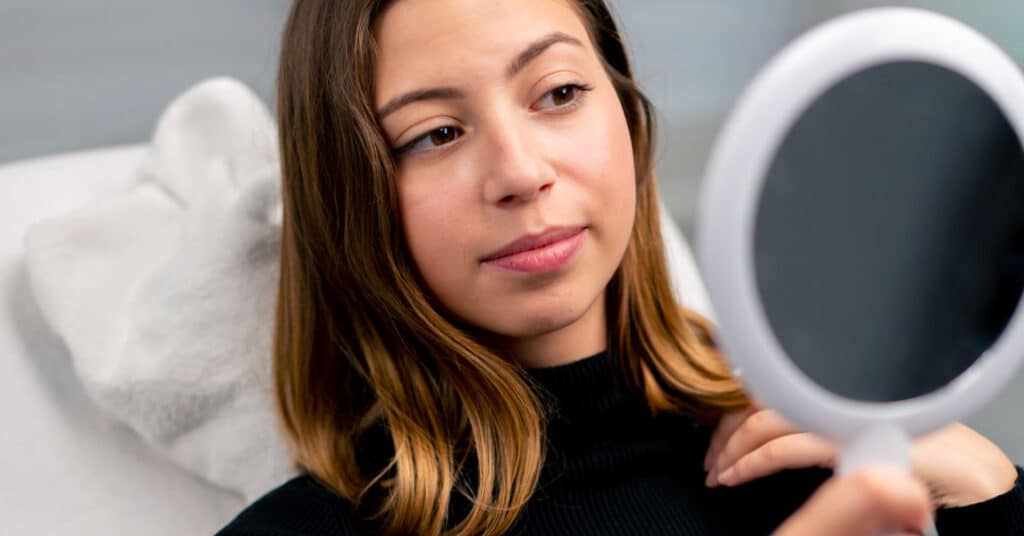
Accutane (isotretinoin) represents one of the most effective treatments for severe acne, but patience is essential. Understanding the timeline can help you stay committed to the treatment even when results feel slow to appear.
It’s important to note that accutane start working is not immediate—many people expect Accutane to start working fast, but this is a common misconception. Visible changes take time, and initial results may not be apparent right away.
Most patients see significant improvement between 2-3 months into therapy, but the complete treatment typically spans 5-7 months. The general timeline shows that most people begin to notice results after several weeks, with continued improvement throughout the course. Here’s everything you need to know about how long it takes for Accutane to work and what to expect during each phase.
Understanding Accutane: What Is It and Why Is It Prescribed?
Accutane is a powerful oral medication derived from vitamin A that fundamentally changes how your skin produces oil. Obtaining an Accutane prescription involves specific safety protocols and legal requirements, including participation in programs like iPledge to ensure safe and effective treatment. Unlike topical treatments that work on the surface, Accutane targets the root causes of severe acne by shrinking oil glands, reducing sebum production, and helping unclog pores.
Dermatologists prescribe Accutane for several types of acne:
- Severe cystic acne that causes painful, deep nodules
- Acne that hasn’t responded to other treatments like antibiotics or topical medications
- Acne that causes significant scarring or psychological distress
- Adult acne that persists despite multiple treatment attempts
Accutane is often considered when other acne treatments, such as oral antibiotics or hormonal therapy, have not been effective.
The medication works by addressing all four main factors that contribute to acne development: excess oil production, clogged pores, bacterial overgrowth, and inflammation. The way Accutane work is by reducing sebum production, regulating skin cell growth, and decreasing the presence of bacteria that contribute to acne. The combination of excess oil, clogged pores, and bacterial growth is responsible for causing acne, and Accutane is a medicine prescribed for severe cases.
Understanding Acne: Causes and Severity
Before diving into the Accutane timeline, it’s helpful to understand what makes acne so challenging to treat. Acne develops when four key factors combine:
Follicular hyperkeratinization occurs when skin cells lining the pores clump together abnormally, creating plugs that block oil from reaching the surface. Sebum overload happens when androgens (sex hormones) stimulate oil glands to produce excessive amounts of sebum.
Cutibacterium acnes bacteria thrive in this oil-rich environment, leading to increased bacterial growth within clogged pores. These bacteria produce enzymes that rupture pore walls and trigger inflammation. Finally, inflammation varies from person to person based on genetics and determines how severe breakouts become.
Acne severity ranges from mild comedonal acne (blackheads and whiteheads) to severe cystic acne with painful, deep nodules. Accutane is typically reserved for moderate to severe cases, particularly when other treatments have failed or when scarring or persistent skin problems are a concern.
Common Side Effects of Accutane
Accutane (isotretinoin) is a highly effective option for those struggling to treat severe acne, including stubborn nodular acne and cystic acne that hasn’t responded to other treatments. However, as with any powerful medication, Accutane treatment comes with a range of common side effects that patients should be prepared for.
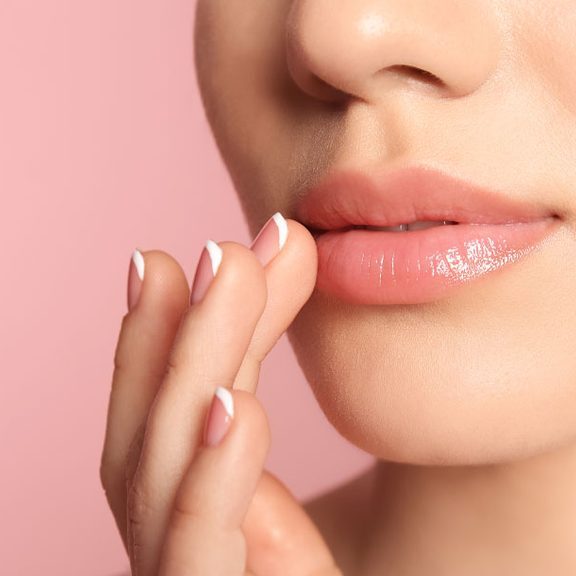
The most frequently reported side effects include dry skin and chapped lips—almost every patient will experience these to some degree. You may also notice dry eyes, which can make wearing contact lenses uncomfortable, and increased skin sensitivity, especially to sunlight. Some patients develop mild hair thinning or changes in their nails, while others may experience nosebleeds due to dryness inside the nostrils.
Photosensitivity is another common concern, so it’s important to wear sunscreen daily and avoid prolonged sun exposure to protect your skin health. While these side effects can be bothersome, most are manageable with simple adjustments, such as using a gentle moisturizer, applying lip balm regularly, and choosing mild, fragrance-free skincare products.
In rare cases, Accutane can cause more serious side effects, including joint pain, mood changes, or gastrointestinal symptoms. That’s why it’s essential to stay in close contact with your dermatologist throughout your treatment process. If you notice any unusual or severe symptoms, report them promptly so your treatment plan can be adjusted as needed.
Remember, most patients find that the temporary discomfort of side effects is outweighed by the long-term benefits of clear skin and improved self-esteem. Your dermatologist will help you navigate any challenges and ensure your Accutane therapy is as safe and effective as possible.
Potential Risks and Interactions
While Accutane is a breakthrough in acne treatment for many patients, it’s crucial to be aware of its potential risks and interactions—especially when it comes to pregnancy and other medications. One of the most serious risks associated with Accutane treatment is the potential for severe birth defects if taken during pregnancy. For this reason, women of childbearing age must use two forms of birth control and undergo regular pregnancy tests before, during, and after their course of Accutane. This strict protocol is non-negotiable and is designed to prevent pregnancy at all costs while taking isotretinoin capsules.
Accutane can also interact with other medications, so it’s important to inform your dermatologist about all prescriptions, supplements, and over-the-counter products you’re using. Some medications, such as certain antibiotics or vitamin A supplements, can increase the risk of side effects or reduce the effectiveness of your acne treatment.
Throughout your Accutane therapy, your dermatologist will schedule regular blood tests and lab work to monitor your liver function, cholesterol levels, and overall health. These check-ins help catch any potential issues early and ensure your treatment remains safe and effective.
Additionally, some patients experience an initial worsening of acne symptoms—often called the “Accutane purge”—as the medication begins to work. While this can be discouraging, it’s a normal part of the treatment process and usually resolves with time and gentle skincare.
By following your dermatologist’s guidance, adhering to your prescribed treatment plan, and keeping up with regular pregnancy tests and lab work, you can minimize risks and maximize your chances of achieving healthy, clear skin. Open communication with your healthcare provider is key to navigating the complexities of Accutane and ensuring the best possible outcome for your skin condition.
The Accutane Timeline: What to Expect Week by Week
Initial Flare-Up Phase: Weeks 1-4
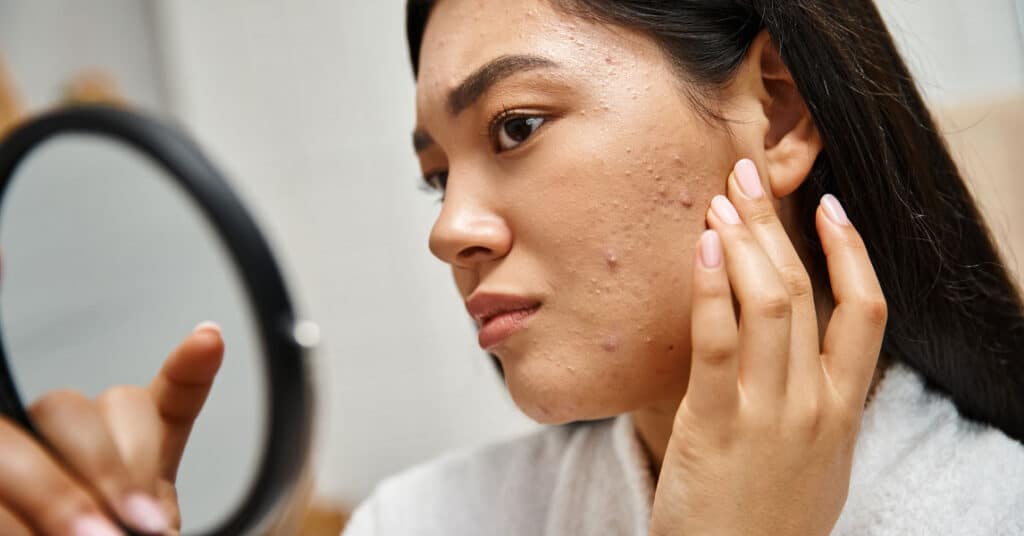
The first month of Accutane treatment can be discouraging, especially during the first few weeks. Most patients experience what’s called an “initial breakout” or “purging period” during weeks 1-4, which is a common part of taking Accutane. Your acne may actually appear worse than when you started treatment.
This flare-up occurs because Accutane begins pushing impurities and excess oil out of your pores. Think of it as your skin’s way of clearing out everything that’s been building up beneath the surface. While frustrating, this phase indicates that the medication is working.
During this time, you might notice:
- Increased number of acne breakouts
- More inflamed, red lesions
- Existing acne becoming more pronounced
- Dry skin beginning to develop
It’s crucial not to give up during this phase. The initial flare-up of acne breakouts typically peaks around week 2-3 and begins to subside as you enter month two. When taking Accutane, expect that the first few weeks may be challenging, but these changes are temporary and part of the treatment process.
Improvement Phase: Months 2-3
The second and third months mark a turning point for most patients. This is when you’ll typically see the significant improvement that makes the initial flare-up worthwhile.
During months 2-3, expect to notice:
- Fewer new breakouts as oil production decreases
- Existing lesions healing more quickly
- Less inflammatory acne overall
- Skin texture improvements as pores become less clogged
Accutane helps prevent clogged pores by reducing sebum production, which lowers the risk of pore blockage and new acne formation. This phase helps get rid of persistent acne and rid the skin of stubborn breakouts, leading to clearer, healthier skin.
The improvement during this phase often feels dramatic because it contrasts sharply with the initial flare-up period. However, it’s important to continue treatment even if your skin looks great—stopping too early can lead to relapse.
Maintenance and Completion: Months 4-7
The final months of Accutane treatment focus on reaching your target cumulative dose and maintaining clear skin. Most patients complete treatment between months 5-7, depending on their starting dose and how their skin responds.
During this phase:
- Acne continues to improve or remains clear
- Oil production stays reduced
- Side effects may become more manageable as your body adjusts, but it is important to remain aware of potential side effects that may arise during the maintenance phase.
- Skin barrier function improves with proper moisturizing
Your dermatologist will monitor your progress through monthly visits and blood tests. Close monitoring during this phase is essential to ensure your safety and address any issues promptly. Monthly pregnancy tests are also required as part of ongoing safety protocols to comply with iPLEDGE regulations and prevent birth defects. The goal is to reach a specific cumulative dose based on your body weight, which research shows provides the best long-term results.
Factors Influencing Treatment Duration
Several factors affect how long does it take for Accutane to work for individual patients:
Acne severity plays a major role—more severe cases often require longer treatment periods and higher doses. Body weight determines your target cumulative dose, with heavier patients needing more medication over time. Starting dose affects the timeline, as higher initial doses may produce faster results but also more intense side effects.
Individual response varies significantly between patients. Some people see improvement within weeks, while others need the full treatment course to achieve clear skin. Compliance with the medication schedule and skincare routine impacts results—missing doses or using harsh products can slow progress.
Hormonal factors particularly affect women, as menstrual cycles, birth control, and underlying hormonal conditions can influence treatment response. Some patients experience hormonal acne, which may require different management strategies, such as hormonal therapy or anti-androgenic medications.
Concerns about weight gain are common, but there is no clinical evidence that Accutane directly causes weight gain. Any changes in appetite or metabolism are considered indirect and rare.
In summary, Accutane is considered the most effective treatment for severe acne, especially when other therapies have failed, but individual factors like acne severity, body weight, hormonal acne, and compliance all influence how quickly results are seen.
What to Do If Accutane Isn’t Working
If you’re not seeing improvement after 3-4 months, don’t panic. Several strategies can help optimize your results:
Communicate with your dermatologist about your concerns. They may adjust your dose, extend your treatment duration, or investigate underlying factors affecting your response.
Review your skincare routine to ensure you’re not using products that interfere with Accutane’s effectiveness. Harsh cleansers, exfoliants, or comedogenic moisturizers can counteract the medication’s benefits.
Consider lifestyle factors that might impact treatment. Stress, diet, and hormonal fluctuations can all affect acne, even during Accutane treatment.
Be patient with the process. Some patients don’t see dramatic results until months 4-5, particularly those with very severe or long-standing acne.
In rare cases, a second course of Accutane may be necessary. However, most patients achieve long-lasting results with a single treatment course when taken to completion.
Long-Term Results and Preventing Relapse
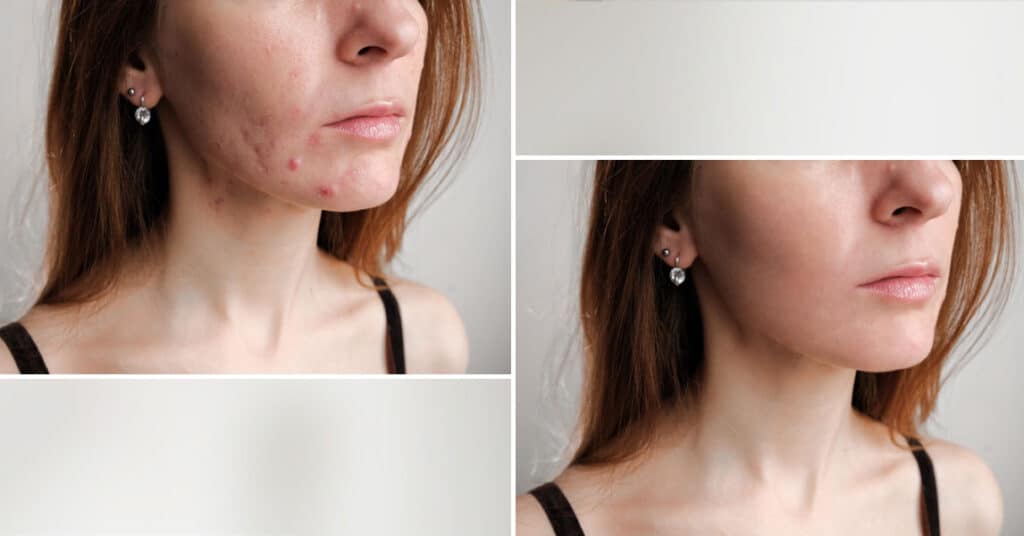
The goal of Accutane treatment extends far beyond temporary acne clearance. When taken properly to reach the target cumulative dose, Accutane provides long-lasting results for most patients.
Success rates are impressive: approximately 85% of patients remain clear or have only mild acne five years after completing treatment. Many patients never experience severe acne again.
Preventing relapse involves completing the full course of treatment, even after your skin appears clear. Stopping too early—even if your acne has improved significantly—increases the likelihood that severe breakouts will return.
After completing Accutane, it is important to focus on maintaining healthy skin to sustain your results and support overall skin health. Your dermatologist may recommend:
- Maintenance topical treatments to prevent minor breakouts
- Regular follow-up appointments to monitor your skin
- Gentle skincare routines to maintain your improved skin barrier
- Sun protection as your skin may remain more sensitive
Some patients may experience mild acne recurrence years later, but it’s typically much less severe than their original condition and often responds well to topical treatments.
Frequently Asked Questions
Can I speed up the Accutane process?
While you can’t dramatically accelerate how long it takes for Accutane to work, you can optimize your results by taking the medication consistently, following your dermatologist’s instructions precisely, and maintaining a gentle skincare routine. Avoid harsh products that might irritate your skin and interfere with healing.
Why does Accutane make acne worse at first?
The initial flare-up occurs because Accutane accelerates skin cell turnover and pushes impurities out of your pores. This process brings underlying acne to the surface more quickly than it would appear naturally. While uncomfortable, this purging phase indicates the medication is working effectively.
How do I know if Accutane is working?
Early signs that Accutane is working include the initial flare-up (which shows the medication is active), followed by fewer new breakouts, faster healing of existing lesions, and gradually improving skin texture. Most patients notice significant improvement by month 2-3.
What happens if I miss doses?
Consistency is important for optimal results. If you miss a dose, take it as soon as you remember, unless it’s almost time for your next dose. Don’t double up on doses. Frequent missed doses can prolong treatment time and reduce effectiveness.
Your Journey to Clear Skin Starts with Patience
Understanding how long it takes for Accutane to work helps set realistic expectations for your treatment journey. While the initial 2-4 weeks can be challenging, most patients see significant improvement by months 2-3, with complete treatment typically lasting 5-7 months.
Remember that Accutane is a marathon, not a sprint. The temporary side effects and initial flare-up are small prices to pay for the long-lasting clear skin that most patients achieve. Stay committed to the process, communicate openly with your dermatologist, and trust that the results will be worth the wait.
If you’re struggling with severe acne and wondering whether Accutane might be right for you, schedule a consultation with a board-certified dermatologist. They can evaluate your specific situation and help you understand what to expect from treatment.
Call today or book online to schedule your consultation at Smart Skin Dermatology in Lehi, Utah.

Liz is a board-certified Family Nurse Practitioner with a passion for providing comprehensive dermatological care. She takes pride in her ability to competently treat patients of all ages, from pediatrics to geriatrics. Liz particularly enjoys developing preventative skin care regimens to help patients maintain healthy skin throughout their lives. Liz is a skilled communicator and a compassionate provider who strives to build long-lasting relationships with her patients.