
How to Get on Accutane: A Step-by-Step Guide

If you’re struggling with severe acne that hasn’t responded to other treatments, you’ve likely heard of Accutane. This powerful medication is a form of vitamin A and can be life-changing for many, but the process of starting it can seem complicated. From dermatologist appointments to strict government programs, knowing where to begin can be overwhelming.
This guide is here to walk you through every step. We’ll explain how to get a prescription, what to expect from the mandatory iPledge program, and how to manage the common side effects. By the end, you’ll have a clear roadmap for starting your Accutane journey with confidence.
Introduction to Accutane and Severe Acne
Accutane, also known as isotretinoin, is a prescription medication specifically designed for people struggling with severe acne, including cystic and scarring forms that haven’t responded to other treatments. As a powerful derivative of vitamin A, Accutane works by reducing inflammation, shrinking oil glands, and helping your skin shed dead cells more effectively. This combination not only targets existing acne but also helps prevent new breakouts, making it one of the most effective treatments available for severe and persistent acne.
With a cure rate of up to 95% after a single course, Accutane can be life-changing for those who have tried multiple other treatments without success. However, it’s important to be fully aware of the potential side effects, especially the risk of severe birth defects if taken during pregnancy. Because of these risks, patients must take necessary precautions, such as using two forms of birth control and following strict safety protocols throughout treatment. Understanding both the benefits and the risks of isotretinoin is essential before starting this medication.
Determining Eligibility and Pregnancy Tests
Before starting Accutane, your dermatologist will determine if you’re eligible for treatment through a series of evaluations. For female patients of childbearing age, this process includes two pregnancy tests, spaced 30 days apart, to ensure you are not pregnant before beginning isotretinoin treatment. In addition, you must agree to use two forms of birth control starting 30 days before your first dose, continuing throughout the entire course of Accutane, and for 30 days after your last pill. These steps are crucial to prevent pregnancy and avoid the risk of birth defects associated with isotretinoin.
All patients, regardless of gender, must register with the iPledge program—a national safety database that tracks Accutane prescriptions and ensures everyone follows the necessary precautions. The iPledge program is designed to protect patients and prevent accidental exposure to the medication during pregnancy. By completing these steps, you and your dermatologist can move forward with confidence, knowing that all safety measures are in place before starting Accutane.
Consult a Dermatologist
The first and most important step is to schedule an appointment with a dermatologist. Accutane must be prescribed by a dermatologist, who is a specialist in skin conditions. They manage patients on this medication every day and understand its complexities.
During your consultation, your dermatologist will:
- Evaluate your skin: They will assess the severity of your acne to determine if Accutane is the appropriate treatment.
- Review your medical history: Be prepared to discuss your health history, any medications you’re taking, and previous acne treatments you’ve tried. Honesty is crucial here.
- Discuss treatment options: Your doctor will explain the potential benefits and risks of Accutane. They will also discuss other possible treatments, such as oral antibiotics, which are sometimes prescribed for acne before considering Accutane, ensuring you make an informed decision.
If you both agree that Accutane is the right path, you will begin the process of enrolling in the iPledge program.
Preparing for Treatment and Blood Tests
Getting ready to start Accutane involves more than just picking up a prescription. Before your first dose, you’ll need to complete a baseline blood test to check your liver function and cholesterol levels, as Accutane can affect both. These blood tests help your dermatologist monitor for any changes in your cholesterol or liver enzymes that could occur during treatment. You may also need to have additional blood tests at regular intervals to ensure your body is handling the medication safely.
Your dermatologist will also ask for a detailed medical history, including any previous treatments for acne, current medications, and any family history of skin problems or mental health concerns. This information is vital for assessing your overall health and identifying any potential risks before starting Accutane. By sharing your full medical background, you help your dermatologist create a treatment plan that’s safe and tailored to your needs.
Understanding the iPledge Program
Accutane (isotretinoin) can cause severe birth defects if taken during pregnancy. Because of this risk, the U.S. Food and Drug Administration (FDA) requires all patients, doctors, and pharmacies to register with a program called iPledge. The program’s sole purpose is to prevent pregnancy in patients taking the medication.
The requirements for iPledge differ depending on whether you can become pregnant.
How to Start Accutane as a Female
The process for females is more involved due to the risk of birth defects.
- First Visit: During your initial consultation, you will be enrolled in the iPledge program. You will need to provide a negative pregnancy test result during an office visit. You must also agree to use two different forms of effective birth control simultaneously for one month before starting Accutane, throughout the entire treatment, and for one month after your last dose. Your dermatologist will discuss acceptable birth control methods with you.
- Waiting Period: After your first visit, there is a mandatory 30-day waiting period. This ensures you have been on your chosen birth control methods for a full month before taking your first pill.
- Second Visit: You will return to the dermatologist at least 30 days after your first visit. You will need to take another negative pregnancy test. Once the negative result is confirmed, your doctor can prescribe your first month of Accutane.
- Filling Your Prescription: After your doctor confirms your negative test in the iPledge system, you must log into your own iPledge account to answer questions and verify your two birth control methods. Once both you and your doctor have completed your steps, you have a very short window (typically 6 days) to pick up your prescription from the pharmacy. If you miss this window, you will be “locked out” and must repeat the pregnancy test process.
How to Start Accutane as a Male
For males, the process is more straightforward.
- First Visit: During your consultation, your dermatologist will enroll you in the iPledge program. You will need to understand the risks of the medication and agree to not share it with anyone.
- Prescription: Once you are registered, your provider can prescribe Accutane for you on the same day. You will still need to log into your iPledge account to confirm your understanding of the risks before you can pick up your prescription.
Ongoing Monitoring and Safety

Once you begin Accutane, ongoing monitoring is essential to ensure both your safety and the effectiveness of the treatment. You’ll have regular office visits with your dermatologist, who will assess your skin’s progress, check for potential side effects, and make any necessary adjustments to your treatment plan. Common side effects to watch for include dry skin, nosebleeds, and changes in vision. It’s important to be aware of these effects and to report any new or worsening symptoms to your dermatologist right away.
Throughout your treatment, you’ll also need to comply with the iPledge program requirements, which include regular pregnancy tests and blood tests to monitor your health. These precautions are in place to minimize risks and ensure that Accutane is as safe and effective as possible for managing severe acne. By staying vigilant, attending all scheduled appointments, and following your dermatologist’s advice, you can help ensure a smooth and successful Accutane experience.
Tips for Managing Accutane Side Effects
These tips are specifically for managing side effects while taking isotretinoin.
Accutane works by shrinking the oil glands in your skin, which leads to its most common side effect: dryness. It’s important to know that your acne may get worse before it gets better during the initial stages of treatment. This dryness can affect your skin, lips, eyes, and even your nose. Here are some effective ways to manage these side effects.
For Dry Skin
Your skin will likely become very dry and sensitive.
- Moisturize Heavily: Switch to a thick, cream-based moisturizer. Apply it multiple times a day, especially after showering. Look for fragrance-free formulas designed for sensitive skin, such as CeraVe Moisturizing Cream, Vanicream, or Cetaphil Cream.
- Use a Humidifier: Running a humidifier in your room at night adds moisture to the air, which can help combat overall dryness.
- Protect with Ointments: For severely dry, cracked, or rashy areas, apply a layer of Aquaphor or Vaseline to create a protective barrier.
For Dry Lips
Chapped lips are almost guaranteed with Accutane.
- Ointments are Best: Standard lip balms often aren’t enough. Use heavy-duty ointments like Vaseline, Aquaphor, or Lanolin throughout the day.
- Medicated Balms: For very sore lips, try a lip balm containing cortisone, such as Cortibalm or Dr. Dan’s CortiBalm. Your doctor can also prescribe a steroid ointment if needed.
For Dry Eyes
You may experience dry, irritated eyes or blurry vision.
- Use Lubricating Eye Drops: Apply preservative-free lubricating eye drops, like Refresh Plus or Systane, several times a day to keep your eyes moist. Single-use vials are often the best option to avoid irritation.
For a Dry or Bloody Nose
The inside of your nose can also become very dry.
- Nasal Gel: Apply a moisturizing nasal gel like Ayr Nasal Gel or a small amount of Vaseline to the inside of your nostrils with a Q-tip, especially before bed. A humidifier can also provide relief.
For Joint Pain
Some people experience stiffness or pain in their joints.
- Fish Oil: Taking a DHA fish oil supplement daily can help lubricate joints.
- Pain Relievers: Over-the-counter pain relievers like ibuprofen can help manage soreness.
- Epsom Salt Baths: Soaking in a warm Epsom salt bath for 15-30 minutes can soothe stiff and sore muscles.
The Importance of Water and Supplements
Staying hydrated and taking the right supplements can make a big difference in managing side effects.
- Drink Plenty of Water: Make it a priority to drink lots of water throughout the day. This helps combat dryness from the inside out.
- Take with a Fatty Meal: Accutane is absorbed best when taken with a high-fat meal. Taking your pill with your fattiest meal of the day (like one containing avocado, nuts, or olive oil) can also lessen side effects.
- Consider Supplements: In addition to fish oil for joint pain, some people find that Vitamin E and Omega-3 supplements help with overall dryness. Always talk to your dermatologist before starting any new supplement.
Your Path to Clearer Skin
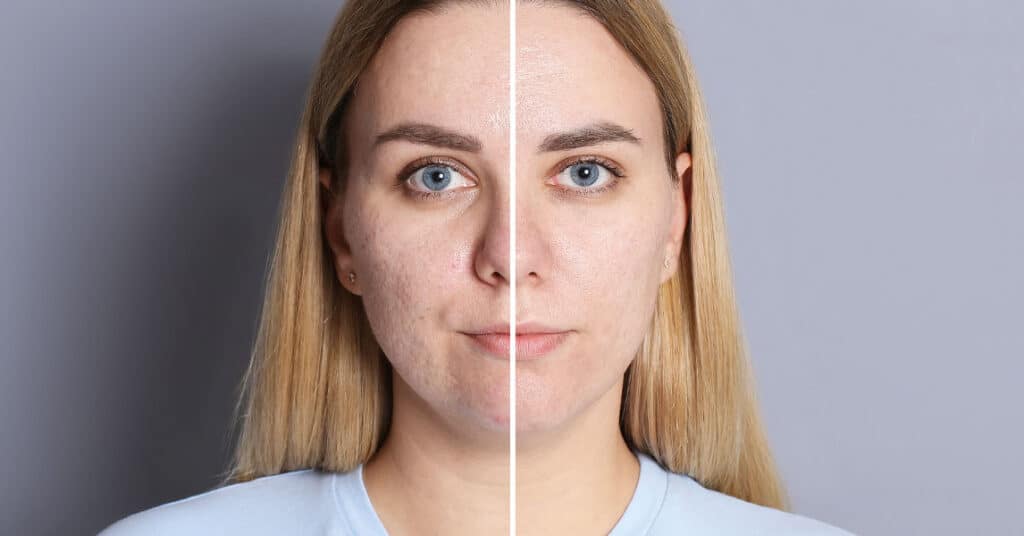
Starting Accutane is a significant decision, but it can offer incredible results for those with severe, persistent acne. The key to a successful experience is working closely with your dermatologist, strictly following the iPledge program rules, and proactively managing side effects.
Accutane can have potentially serious side effects, including depression and other mood changes. Certain symptoms may lead to additional monitoring or follow-up with your dermatologist to ensure your safety during treatment.
By staying hydrated, moisturizing consistently, and using the tips outlined above, you can navigate the treatment process more comfortably.
Remember, this journey requires patience, but for many, the reward of clear, healthy skin is well worth the effort.
Call today or book online to schedule your consultation at Smart Skin Dermatology in Lehi, Utah.

Liz is a board-certified Family Nurse Practitioner with a passion for providing comprehensive dermatological care. She takes pride in her ability to competently treat patients of all ages, from pediatrics to geriatrics. Liz particularly enjoys developing preventative skin care regimens to help patients maintain healthy skin throughout their lives. Liz is a skilled communicator and a compassionate provider who strives to build long-lasting relationships with her patients.