What Is the Best Cream to Treat Psoriasis?
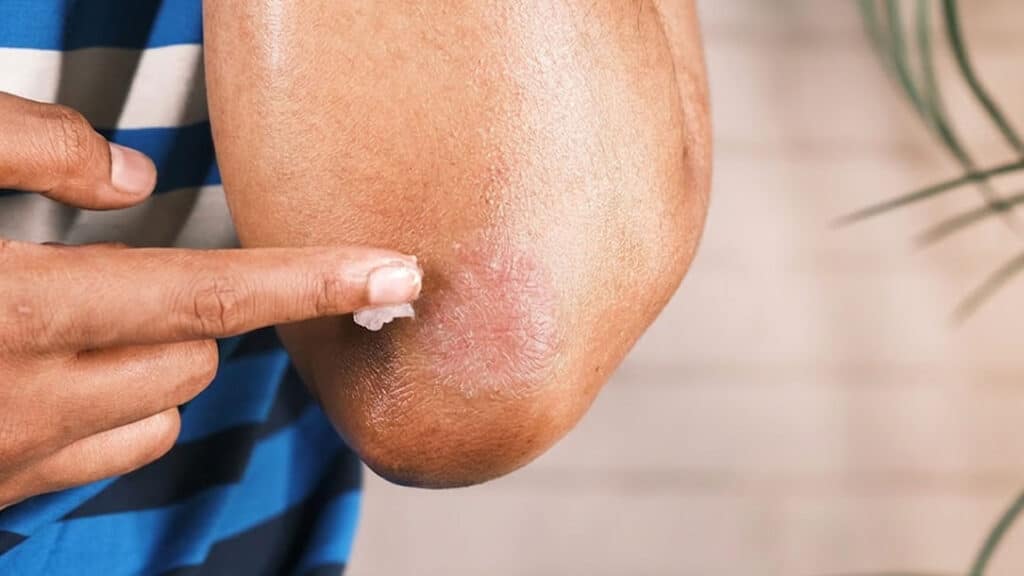
If you’ve searched for the best cream to treat psoriasis, you’ve probably encountered dozens of conflicting recommendations. The reality? Finding effective psoriasis treatment requires more nuance than picking a single product off the shelf. Here’s what you need to know before reaching for any cream.
Quick Answer: There’s No Single “Best” Psoriasis Cream
There is no one “best” psoriasis cream that works for everyone. The most effective treatment depends entirely on your individual situation.
- Type matters. Plaque psoriasis (the most common form, affecting 80-90% of patients) responds differently than inverse psoriasis in body folds, guttate psoriasis with small droplet-like spots, or stubborn scalp psoriasis.
- Severity drives options. Mild disease covering less than 3% of your body surface area can often be managed with topical therapies alone, while moderate to severe cases may need prescription-strength products or combination approaches.
- Location dictates potency. Thick plaques on elbows and knees tolerate stronger creams, while thin, sensitive skin on the face, genitals, and body folds requires gentler formulations to avoid damage.
- Personal factors count. Your skin’s sensitivity, age, other medical conditions, and how consistently you can apply creams all influence what will work best.
For many patients, the “best” approach is actually a combination—a steroid paired with a vitamin D analogue plus a daily moisturizer routine. At Smart Skin Dermatology, treatment plans typically blend prescription and over the counter products tailored to each person’s specific needs.
Understanding Psoriasis: More Than Just Dry Skin
Psoriasis is a chronic autoimmune disease where an overactive immune system dramatically speeds up the life cycle of skin cells. Instead of the normal 28-30 day turnover, affected skin cells mature in just 3-4 days.
- This rapid buildup creates characteristic “plaques”—thick, raised patches covered with silvery-white scale. On lighter skin, these appear red or pink; on darker skin tones, plaques often look dark brown, purple, or violaceous.
- Common psoriasis symptoms go beyond dryness: intense itching, burning sensations, painful cracking, and sometimes bleeding when scales are disturbed. This is far more than simple dry skin or scaly skin that moisturizer alone can fix.
- Psoriasis is absolutely not contagious. You cannot catch it from someone or pass it through skin contact. It stems from genetic factors and immune dysfunction, not infection.
- Plaques commonly appear on elbows, knees, scalp, lower back, and nails, but can affect any body area including genitals and skin folds (inverse psoriasis).
- Beyond the skin, about 30% of patients develop psoriatic arthritis, and there are associations with metabolic conditions and depression—underscoring why proper medical care matters.
Getting a Professional Diagnosis First: This Is Non-Negotiable
Anyone who suspects psoriasis should see a board-certified dermatologist before attempting aggressive self-treatment. This step is essential.
- Conditions like eczema (atopic dermatitis), seborrheic dermatitis, fungal infections (tinea), contact dermatitis, and certain drug reactions can closely mimic psoriasis but require completely different treatments. Misdiagnosis rates in primary care settings reach 20-30%.
- A dermatologist performs a thorough examination of your skin, scalp, and nails, looking for telltale signs like the Auspitz sign (pinpoint bleeding when scales are removed). When needed, a skin biopsy confirms the diagnosis and helps identify your specific subtype.
- Using the wrong cream carries real risks. Applying a potent steroid to a fungal infection can cause it to spread dramatically. Long-term strong steroids on thin facial or genital skin can cause permanent skin thinning, stretch marks, and visible blood vessels. These outcomes can worsen psoriasis indirectly and cause lasting discomfort.
- At Smart Skin Dermatology, diagnosis includes a discussion of your triggers—stress (a factor in about 40% of flares), infections, medications, smoking, alcohol, and skin trauma (the Koebner phenomenon)—plus how symptoms impact your daily life and health.
A Breakdown of Psoriasis Creams: Main Treatment Categories
Psoriasis creams fall into several key prescription and OTC categories that dermatologists mix and match based on your needs.
Some creams are anti-inflammatory (steroids, calcineurin inhibitors, newer non-steroidals). Others normalize cell turnover (vitamin D analogues, tazarotene). Still others primarily soften scale or moisturize (salicylic acid, emollients). Here’s what each category offers.
Topical Corticosteroids: Cornerstone of Psoriasis Cream Treatment
Topical corticosteroids are the most commonly prescribed creams for mild to moderate plaque psoriasis, used as first-line treatment in 80-90% of cases according to guidelines from organizations like the National Psoriasis Foundation.
- How they work: Steroids reduce inflammation, calm the overactive immune response, and slow excessive skin cell growth by inhibiting inflammatory cytokines.
- Potency classes: These range from Class VII (low, like hydrocortisone 1%—sometimes available OTC) through medium (triamcinolone 0.1%), high (fluocinonide 0.05%), to super-high potency (clobetasol propionate 0.05%, prescription-only).
- Practical examples: Mild steroids for face, genitals, and skin folds; medium to high potency for elbows, knees, palms, and soles. Typically applied once or twice daily for limited periods, then tapered.
- Side effect awareness: Prolonged use risks skin thinning (atrophy), stretch marks, telangiectasias (visible blood vessels), and rebound flares if stopped abruptly. This is why monitoring matters.
At Smart Skin Dermatology, steroids are typically used in short, carefully monitored courses, often alternating with non-steroidal creams to minimize risks while maintaining control.
Vitamin D Analogues: Calcipotriene and Calcitriol
Vitamin D analogues like calcipotriene (calcipotriol) 0.005% cream or ointment and calcitriol 3 mcg/g ointment are prescription creams that slow abnormal skin cell growth and help reduce scale thickness.
- They’re often used alone for mild to moderate plaques or combined with topical steroids for better effectiveness and fewer steroid side effects. Combination therapy can achieve 70% clear or almost-clear results at 4 weeks.
- Fixed-dose combination products (like calcipotriene plus betamethasone in foam or ointment form) simplify treatment to once daily and work well for body and scalp psoriasis.
- Common side effects include mild skin irritation, burning, or stinging at application sites, especially during the first week. There’s also a limit on how much body surface area should be treated to avoid rare calcium-related effects.
- These are usually avoided in very young children and used cautiously in patients with certain kidney or calcium disorders.
Topical Calcineurin Inhibitors (TCIs): Non-Steroidal Options for Sensitive Areas
Tacrolimus ointment (0.03% and 0.1%) and pimecrolimus 1% cream are steroid-free prescription options that target immune pathways to reduce inflammation.
- TCIs are especially valuable for sensitive skin areas—face, genitals, eyelids, underarms, and body folds—where steroids can quickly cause thinning or irritation.
- While officially FDA-approved for eczema, dermatologists frequently use them off-label for inverse psoriasis and facial psoriasis with 70-80% improvement rates in studies.
- Expect temporary burning or stinging when first applied. This typically lessens with continued use over 1-2 weeks.
- Regarding safety: these carry a historical black-box warning about theoretical cancer risk, but more than 20 years of post-marketing data shows no causal link. Dermatologists consider them an important long-term tool, especially for rotating off steroids and protecting delicate affected areas.
Tazarotene: Vitamin A–Derived Topical Retinoid
Tazarotene (commonly 0.05% or 0.1% cream or gel) is a vitamin A derivative that normalizes skin cell growth and helps thin thick plaques.
- It’s often used for localized, stubborn plaques, sometimes combined with a steroid to boost results and reduce irritation. Together, they can achieve about 75% plaque clearance.
- Common side effects include redness, dryness, peeling, and burning—especially during the first 2-4 weeks. Starting with short contact times (apply, wait an hour, then rinse) or every-other-night use helps minimize discomfort.
- Critical safety note: Tazarotene must not be used during pregnancy and requires contraception discussions with women of childbearing potential due to teratogenic risk.
This is not a universal first-line cream but excels for targeted treatment of thick, resistant plaques.
Newer Non-Steroidal Prescription Creams (e.g., Tapinarof, Roflumilast)
Tapinarof 1% cream, an aryl hydrocarbon receptor agonist FDA-approved in 2022, offers once-daily steroid-free psoriasis treatment for adults. Clinical trials showed about 40% of patients reaching clear or almost-clear skin at 12 weeks.
Roflumilast 0.3% cream, a topical PDE-4 inhibitor also FDA-approved for plaque psoriasis, provides another nonsteroidal option with about 36% of patients achieving clear or almost-clear status at 8 weeks. It’s safe for face, scalp, and body.
- These agents target inflammatory pathways (reducing inflammation from IL-17 and TNF-alpha) without the skin thinning risk of steroids, making them attractive for long-term use and sensitive areas.
- Common side effects include application-site pain, irritation, or occasional folliculitis. Both remain prescription-only, with choices often influenced by insurance coverage.
Smart Skin Dermatology stays current on these newer options and incorporates them into treatment plans where appropriate.
Coal Tar: Traditional but Still Useful (OTC and Prescription)
Coal tar has been used for psoriasis treatment since the 1870s and remains available in OTC strengths (typically 0.5-5%) and stronger prescription preparations.
- It works by slowing skin cell turnover and provides mild anti-itch and anti-inflammatory properties, helping reduce scaling and provide itch relief.
- Drawbacks are significant: strong odor, potential to stain clothing and bedding, messiness, and occasional irritation. Some people experience photosensitivity (increased sun sensitivity) and should use SPF protection.
- Coal tar shampoos and solutions can be useful adjuncts for scalp psoriasis when used regularly, especially applied at night before morning rinsing.
While not a modern treatment, coal tar can still fit into a well-designed management plan.
Salicylic Acid: Scale-Softening Helper
Salicylic acid is a keratolytic agent—meaning it softens and loosens thick, scaly skin—commonly found in concentrations from 2% up to about 6% in OTC products and some prescription preparations.
- It doesn’t treat underlying inflammation but helps lift scales so that other medicated creams (steroids, vitamin D analogues) can penetrate better and work more effectively.
- Practical usage: Apply after a warm 10-15 minute bath or shower to thick plaques on elbows, knees, palms, soles, and scalp. Many products combine salicylic acid with ingredients like ceramide np, ceramide ap, or lactic acid for added benefit.
- Caution: Overuse on large body areas can rarely lead to systemic absorption (salicylism), particularly in children or those with kidney problems. Avoid use on very inflamed, fissured, or irritated skin.
Moisturizers and Emollients: Essential Support, Not a Cure
Thick, fragrance-free moisturizers are a cornerstone of psoriasis care, but they do not replace medicated creams for active disease.
- Moisturizers repair and support the skin barrier, reduce dryness, cracking, and itchy skin, and help extend periods between flare ups. Regular use can reduce flare frequency by about 30%.
- Look for petrolatum-based ointments, ceramide-rich creams (containing ceramide np, ceramide ap, ceramide eos, ceramide ns, or ceramide eop), or urea-containing moisturizers for very thick scale. Some formulations include helpful ingredients like glyceryl stearate, cetearyl alcohol, cetyl alcohol, stearyl alcohol, behenic acid, pentylene glycol, tocopheryl acetate, magnesium ascorbyl phosphate, disodium edta, aloe barbadensis leaf juice, shea butter extract, seed oil, root extract, or citric acid for pH balance.
- Apply moisturizers at least twice daily, especially within 3-5 minutes after bathing to lock in moisture. Layer them after medicated creams if instructed.
At Smart Skin Dermatology, moisturizers are always paired with targeted medicated creams—never used alone in moderate to severe disease.
Over-the-Counter vs Prescription Psoriasis Creams

OTC products are mainly for mild disease, symptom relief, and maintenance between flares. Prescription creams are required for most moderate to severe or persistent psoriasis.
| Category | OTC Options | Prescription Options |
| Steroids | Hydrocortisone 1% | Betamethasone, clobetasol, others |
| Scale removal | Salicylic acid 2-3% | Higher-strength preparations |
| Anti-inflammatory | Coal tar products | Vitamin D analogues, TCIs, tazarotene, tapinarof, roflumilast |
| Moisturizers | Ceramide creams, petrolatum | Specialized formulations |
OTC creams and otc products can help relieve symptoms between flares but should be used based on professional guidance. Prescription options are more potent, targeted, and varied—tailored to body location and severity.
Smart Skin Dermatology often designs step-up/step-down plans: prescription creams during flares, OTC maintenance during quieter phases.
What to Avoid in Psoriasis Creams
The wrong active ingredients or additives can worsen psoriasis, trigger skin irritation, or cause allergic reactions.
Ingredients to avoid:
- Added fragrances and essential oil blends (about 30% of psoriasis patients react)
- Harsh alcohols (SD alcohol, denatured alcohol, isopropyl alcohol) that strip moisture
- Formaldehyde-releasing preservatives (DMDM hydantoin, imidazolidinyl urea)
- Methylisothiazolinone (MI)—a common sensitizer
- Sulfates (SLS/SLES) in cleansers and shampoos
- Neomycin and certain topical antibiotics (frequent allergens on compromised skin)
Be cautious with “natural” or DIY treatments—strong essential oils, undiluted vinegar, harsh scrubs—which may burn or irritate patches rather than provide soothing relief.
The Goal of Treatment: Control and Comfort, Not a Permanent Cure
Psoriasis is a chronic, lifelong autoimmune condition with periods of flare and remission. There is currently no permanent cure.
The realistic goal of cream-based treatment is to achieve clear or almost-clear skin, reduce itching and pain, control psoriasis symptoms, and minimize flare frequency and severity. With topical treatments alone, 60-75% of patients with mild to moderate disease can achieve significant improvement.
Long-term management means:
- Regular moisturizer use to maintain the skin barrier
- Prompt treatment of new plaques before they thicken
- Adherence to maintenance regimens even when skin looks better
- Lifestyle adjustments (stress reduction, weight management, smoking cessation) that amplify treatment effectiveness
With today’s topical and systemic options, many patients at Smart Skin Dermatology keep their psoriasis well-controlled and live full, active lives.
How a Dermatologist Chooses the “Best” Cream for You
Dermatologists specialize in matching specific creams to specific psoriasis patterns—not handing out a one-size-fits-all product.
Key assessment points:
- Psoriasis type (plaque, guttate, inverse, pustular, scalp-only)
- Severity (body surface area involvement, impact on sleep and daily function)
- Body locations requiring treatment
- Prior treatments (what helped, what caused side effects, any tachyphylaxis)
- Other medical conditions and current medications
The typical layered plan includes:
- One or more medicated creams for active plaques
- Separate gentler options for sensitive areas (face, genitals, folds)
- Daily moisturizer routine formulated for psoriasis-prone skin
Ongoing monitoring involves:
- Follow-up visits or teledermatology check-ins every 4-8 weeks
- Adjusting potency, frequency, or rotating off steroids as needed
- Introducing newer non-steroidal options when appropriate
If topical therapies aren’t sufficient—because plaques are too widespread, nails are severely affected, or you’re experiencing joint pain suggesting psoriatic arthritis—your doctor may recommend phototherapy (narrowband UVB light therapy achieves 70% clearance), oral medications, or biologic injections targeting specific immune pathways.
Don’t guess at the pharmacy shelf. At Smart Skin Dermatology, you can book a consultation to receive a tailored psoriasis cream regimen designed specifically for your skin, your symptoms, and your life.

Lindsey is a board-certified Physician Assistant with over a decade of experience in dermatology. Born and raised in Salt Lake City, she earned her undergraduate degree in Human Movement Science from Utah State University on a full-ride soccer scholarship before completing her master’s in Physician Assistant Studies at A.T. Still University. She treats patients of all ages, with a special interest in acne, skincare, and cosmetic dermatology, and is passionate about education and helping train the next generation of physician assistants.